KEY TAKEAWAYS
GPS fleet tracking helps operators gain real-time visibility into their vehicles while improving efficiency, reducing fuel costs, and minimizing downtime through actionable data insights. In this guide, we break down how GPS tracking, fleet telematics, and AI-powered platforms like Intangles support day-to-day fleet operations and enable better decision-making across route optimization, driver performance, predictive maintenance, and overall operational efficiency.
Where is your fleet right now—and more importantly, is it operating efficiently?
Across the industry, over 63% of fleets now rely on GPS tracking and real-time monitoring to manage operations. But knowing where your vehicles are isn’t the real problem. The bigger challenge is using that data to reduce fuel costs, avoid delays, and prevent breakdowns before they happen.
That’s where GPS fleet tracking has quietly evolved—from a basic location tool into a core part of fleet telematics. In this guide, we’ll break down how it works, the technology behind it, and what separates basic tracking from systems that actually improve fleet performance.
What is GPS fleet tracking?
GPS fleet tracking is a system that uses satellite technology to monitor the real-time location and activity of vehicles. It collects data like location, speed, and route history, and presents it through a centralized platform for fleet managers.
In practice, a small device inside the vehicle picks up signals from GPS satellites and figures out its location. That information is then sent to a platform, where it shows up as live movement, routes, and activity that teams can actually use.
In real-world fleet operations, GPS tracking goes much further. Modern GPS fleet tracking systems are tightly connected with fleet telematics, which means they don’t just show movement—they capture fuel usage, engine performance, idle time, and driver behavior as well.
Over time, this builds a much clearer picture of how a fleet is actually operating.
That’s usually where the shift happens. Tracking stops being passive and starts becoming something teams rely on—whether it’s reducing unnecessary idling, improving route efficiency, or identifying vehicles that need attention before they fail.
How does GPS fleet tracking work?
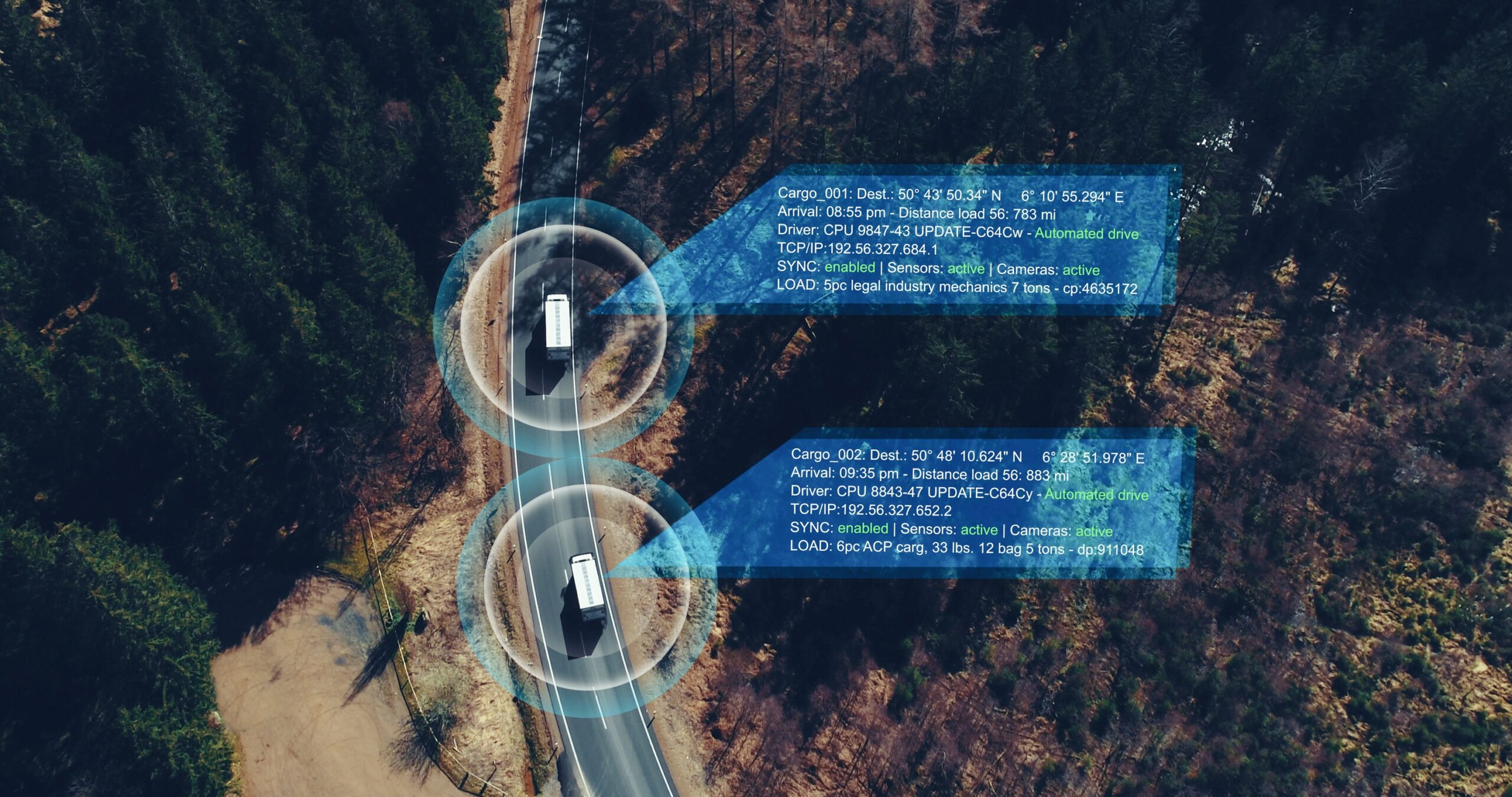
GPS fleet tracking works by using satellite signals to determine a vehicle’s location, sending that data over a network, and showing it on a tracking platform in near real time.
In practical terms, it’s fairly straightforward.
A GPS device installed in the vehicle picks up signals from GPS satellites and calculates its position. That location is then sent over a cellular network to a central system, where it shows up on a dashboard.
That’s the technical side.
What makes a difference is how that data gets used day-to-day. Some fleets check it occasionally. Others rely on it constantly—adjusting routes on the fly, catching delays early, and keeping operations moving without waiting for problems to escalate.
That’s usually the point where tracking stops being a tool—and starts becoming part of how the fleet runs.
How accurate is GPS fleet tracking?
GPS fleet tracking is typically accurate within 3-10 meters. Accuracy improves when combined with telematics data and advanced analytics, especially in complex environments.
Technologies used in fleet tracking
Fleet tracking relies on three core technologies working together.
GPS (Global Positioning System) provides real-time location data.
Telematics systems capture vehicle performance—fuel, engine health, and driver behavior.
Cloud-based fleet tracking platforms process and display this data for real-time use.
Together, these systems create a complete view of fleet operations. This is also where the industry is heading. Around 60% of fleets now rely on real-time tracking to improve asset utilization, while more than half are investing in predictive maintenance and analytics.
In many cases, the challenge isn’t access to data—it’s making it usable. Platforms like Intangles focus on bridging that gap by highlighting what actually needs attention, rather than just displaying raw data.
What is the difference between GPS and telematics?
GPS shows the vehicle’s location. Telematics shows how the vehicle is performing and why it matters.
What is AI-powered GPS tracking?
AI GPS tracking uses machine learning to analyze fleet data, predict issues, and optimize operations in real time. Most fleets today still operate reactively.
Traditional systems show what has already happened. AI focuses on what’s likely to happen next.
This allows fleets to:
- Predict breakdowns before they occur
- Detect fuel inefficiencies or anomalies
- Optimize routes dynamically
- Reduce manual decision-making
This is where tracking starts driving ROI. AI-driven fleet systems are already helping reduce fuel consumption by 8-12% and downtime by up to 20%, often delivering ROI within months.
Intangles applies this using digital twin technology—creating a virtual model of each vehicle to stimulate performance and predict failures before they impact operations.
How is AI GPS tracking better than traditional tracking?
Traditional GPS tracking shows current location and past activity. AI-powered tracking predicts future issues and provides actionable insights to prevent them.
Types of fleet tracking devices
The kind of tracking device a fleet uses usually comes down to one thing—how much visibility is actually needed on a daily basis.
For fleets where uptime is critical, hardwired trackers tend to be the default. They’re installed directly into the vehicle, so there’s no dependency on battery or manual setup. Once in place, they just keep running in the background, sending consistent data.
OBD devices sit somewhere in the middle. They plug into the vehicle’s diagnostic port, which makes them easy to deploy—especially when fleets are expanding or testing tracking across vehicles. They also give access to basic vehicle data, not just location.
Portable trackers are more flexible, but they come with trade-offs. They’re useful when tracking is temporary or when assets don’t have a fixed power source. For long-term fleet operations, though, they’re usually not the first choice.
| Device Type | Installation | Data Depth | Best Use Case |
| Hardwired | Fixed | High | Larger fleets |
| OBD | Plug and play | Medium-High | Growing fleets |
| Portable | Flexible | Medium | Temporary use |
In most cases, the decision isn’t about the device itself—it’s about how critical real-time tracking is to operations.

Benefits of fleet tracking solutions
When used consistently, GPS tracking starts influencing everyday decisions—not just reporting.
Real-time visibility
This is one of the biggest shifts. Instead of relying on updates or assumptions, teams know exactly where vehicles are and what’s happening on the ground. This makes dispatch faster, reduces delays, and helps avoid constant back-and-forth between drivers and operations.
Fleet safety
Safety is another area where the impact becomes visible fairly quickly. With driver behavior monitoring, patterns like speeding, harsh braking, or aggressive driving can be detected. Over time, this helps reduce risk, improve accountability, and build safer driving habits across the fleet.
Fuel management
Fuel is usually where immediate savings show up. Small issues, like excessive idling, inefficient routes, or unnecessary detours, often go undetected. Once they’re visible, they’re much easier to correct. For many fleets, this alone leads to a noticeable drop in fuel operating costs.
Route optimization
There is also a clear improvement in how routes are planned. The shortest route isn’t always the most efficient one. With historical data and real-time tracking, teams can adjust routes based on actual conditions like traffic, delays, or recurring bottlenecks.
Predictive maintenance
Over time, patterns start to emerge beyond just movement. Certain vehicles may consume more fuel than expected. Others may show early signs of wear. This is where tracking connects with maintenance. Instead of waiting for breakdowns, fleets can move toward predictive maintenance, fixing issues before they disrupt operations.
Geofencing
This adds another layer of control. Setting virtual boundaries makes it easier to track when vehicles enter or leave specific zones, which helps with everything from security to operational planning. It also reduces manual effort in tracking trips, time, and usage.
All of this adds up. That’s where tracking begins to deliver real ROI: fewer disruptions, better fuel efficiency, improved safety, and more predictable operations.
Platforms like Intangles build on this by turning these insights into clear signals, so teams don’t have to constantly interpret raw data to take action.
What are the main benefits of GPS fleet tracking?
GPS fleet tracking improves real-time visibility, reduces fuel costs, enhances driver safety, and minimizes downtime by turning everyday fleet data into actionable insights.
Industries that need GPS fleet tracking
GPS fleet tracking isn’t limited to one industry—it shows up anywhere operations depend on vehicles or moving assets.
In logistics, it keeps routes efficient and deliveries on schedule. For last-mile fleets, it helps manage delays and improve customer visibility. In construction, it’s often the only reliable way to track equipment across multiple sites.
In sectors like farming, oil & gas, and waste management, where assets operate in remote or unpredictable environments, tracking becomes important for both control, and cost management. Transit and coach operators rely on it to maintain schedules, while in operations involving marine engines and gensets, it adds a layer of visibility that’s otherwise hard to achieve.
The use cases differ, but the underlying need is the same—visibility that actually helps operations run better.
Improve efficiency and take control of fleet operations
Modern fleet operations demand more than basic tracking. In India alone, growing logistics demand and e-commerce expansion are driving rapid adoption of fleet tracking systems, especially for real-time monitoring and cost optimization.
Intangles is built to help fleets move beyond visibility—combining real-time GPS tracking with advanced analytics to improve safety, efficiency, and overall fleet performance. Instead of relying on delayed reports or manual checks, fleets get continuous insight into how vehicles are operating on the ground.
With a unified platform that brings together tracking, diagnostics, and predictive intelligence, Intangles helps identify inefficiencies early—whether it’s fuel loss, driver behavior, or potential vehicle failures. The result is not just better tracking, but more consistent uptime and lower operating costs.
Designed to scale across industries like logistics, construction, and field services, the platform adapts as operations grow—without adding complexity.
Explore how Intangles’ GPS fleet tracking can help improve fleet operations and speak with our team today.
KNOW MORE
Frequently Asked Questions
How does GPS tracking work?
GPS tracking monitors vehicles using satellite signals received by a device installed in each vehicle. The location, speed, and movement date are sent to a platform where fleet managers can view and act on it. Intangles combines GPS tracking telematics and AI to turn raw data into actionable insights, helping fleets optimize routes, reduce delays, and prevent downtime.
How accurate is GPS fleet tracking?
GPS tracking is usually accurate within a few meters. Accuracy improves when paired with telematics and AI, which filters anomalies and provides reliable real-time insights. Intangles leverages this precision to give fleets accurate ETAs, optimize operations, and predict maintenance needs before issues occur.
What type of vehicles can be tracked with a GPS fleet tracking device?
GPS fleet tracking can be used on almost any mobile asset—trucks, vans, construction equipment, mining machinery, farming vehicles, transit buses, marine engines, gensets, and waste management trucks. Intangles supports multi-asset tracking on a single platform, providing a complete operational view across all fleet types.
Does Intangles fleet management software have GPS tracking?
Yes. Intangles’ platform includes GPS tracking as a core feature, integrated with telematics and AI analytics. This allows fleets to monitor location, driver behavior, fuel usage, and vehicle health—all in one system—so teams can prevent breakdowns, improve safety, and optimize costs.
What are the important GPS tracking device features?
Key GPS tracking features include real-time location updates, driver behavior monitoring, fuel and engine insights, geofencing with alerts, and flexible installation options (hardwired, OBD, or portable). Devices that integrate seamlessly with platforms like Intangles also provide predictive analytics, helping fleets act proactively rather than reactively.







We’re looking forward to meeting you