KEY TAKEAWAYS
Video telematics combines video and vehicle data to give fleets clear visibility into driving events, improving safety, coaching, and claim protection. At the same time, it raises important concerns around driver privacy and compliance. In this blog, we break down what is video telematics, how video telematics for fleets actually works, how it compares in video telematics vs dash cam scenarios, and how fleets can use it responsibly without creating privacy risks.
A harsh brake shows up. A sudden swerve follows. The data flags the event, but the story behind it is missing. That gap creates risk, disputes, and operational costs that fleets deal with every day.
This is where video telematics starts to matter. It connects footage with vehicle data, giving fleets real context instead of isolated alerts. This shift is accelerating adoption of fleet video telematics, especially as safety expectations increase and liability pressures grow.
But it is not that simple. The same video telematics system that improves visibility also introduces concerns around dash cam driver privacy, fleet dash cam privacy, and compliance with in-cab camera laws. With driver-facing cameras involved, the conversation often shifts from safety to surveillance.
This is why the challenge is no longer just about what is video telematics, but how fleets can use it to improve safety outcomes without eroding driver trust. In this blog, we break down how video telematics works, how it differs from dash cams, and how fleets can balance safety, privacy, and operational control effectively.
What is video telematics and how it works
Most fleets already track speed, braking, and location. The problem is that this data shows what happened, not why it happened. That is where video telematics for fleets becomes relevant. The use of camera technology along with telematics creates complete transparency around driving events, whether inside or outside the vehicle.
That is where video telematics for fleets becomes relevant. The use of camera technology along with telematics creates complete transparency around driving events, whether inside or outside the vehicle.
The video telematics definition can be stated simply as a system that uses video along with inputs such as GPS, accelerometers, and vehicle signals to provide context on an incident. This technology is no longer just an add-on, the global video telematics market is projected to reach $10.38 billion by 2026. Adoption is increasing as fleets move toward data-backed safety and compliance systems.
What sets a video telematics system apart is how it handles data. It does not just record continuously. It connects short video clips to specific events such as harsh braking or sudden swerving, so teams can understand the cause without reviewing hours of footage.
In practice, how video telematics works comes down to continuous monitoring of vehicle data combined with selective recording. Once predefined thresholds are crossed, the system captures and links footage to the event. This provides clarity on what actually happened and why.
Video telematics vs dash cam: what’s the difference
The confusion around video telematics vs dash cam usually comes from the fact that both involve cameras. But in real operations, they serve very different purposes.
A dash cam records continuously or in loops and stores footage locally. When something happens, someone has to go back, find the right clip, and interpret it. It is reactive by design.
A video telematics system works differently. It is event-driven and connected to vehicle data. Instead of recording everything, it focuses on moments that matter and ties them to signals like speed, braking, and location.
When looking at dash cam vs telematics, the real difference is not the camera. It is the intelligence behind it. A dash cam collects footage. Fleet video telematics filters, tags, and explains it.
This becomes especially important during incident reviews. Instead of searching through hours of footage, teams get event-tagged clips along with context. This reduces investigation time and helps teams make faster and more accurate decisions.

How video telematics works in fleet vehicles
To understand how video telematics works, it is important to look at how different components operate together inside the vehicle. It is not just about the camera. It is about how video, vehicle data, and AI come together.
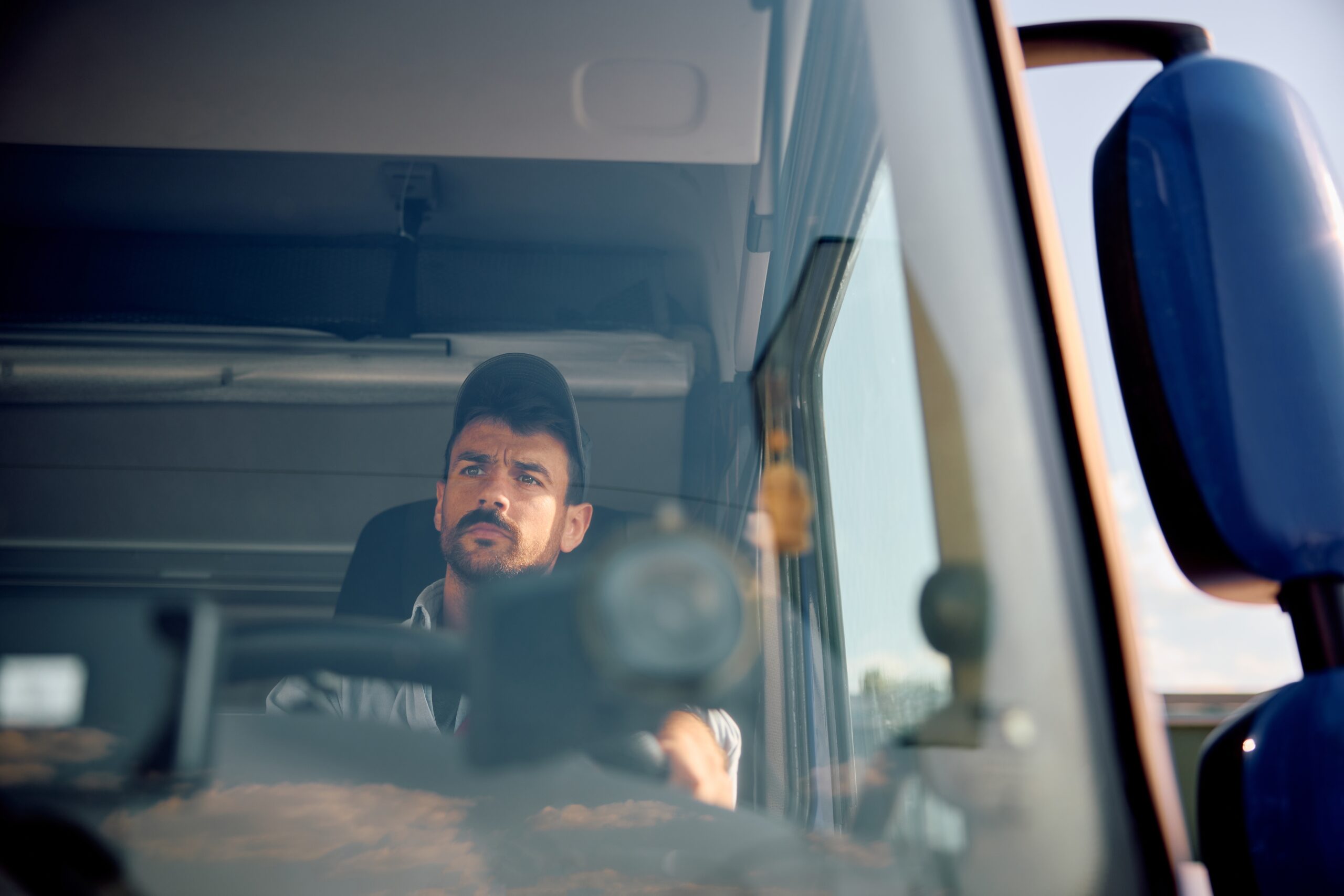
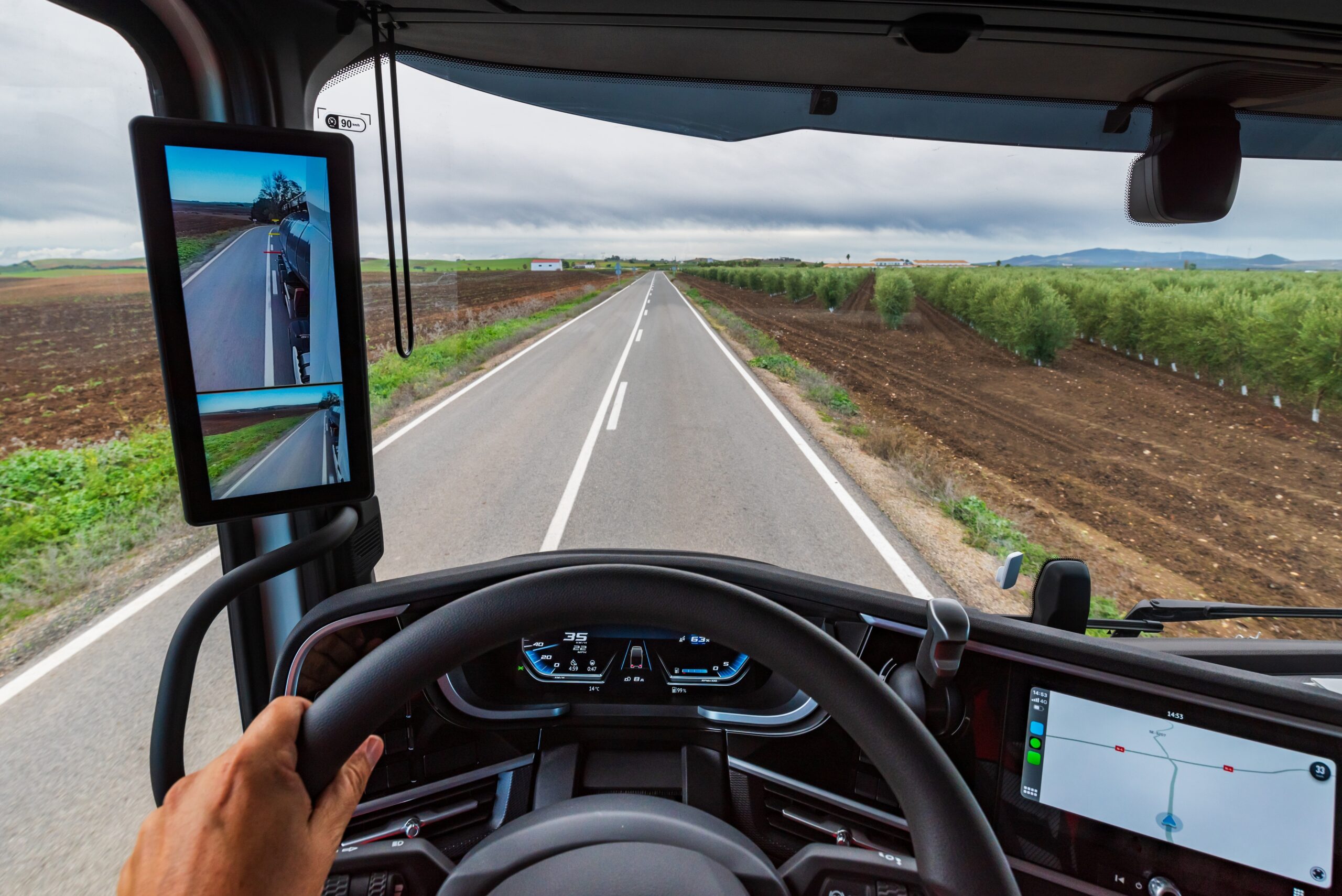
Most systems use a combination of road-facing and driver-facing cameras. Road-facing cameras capture external events such as accidents or near misses, while driver-facing cameras focus on behavior such as distraction or fatigue.
The camera system is connected to telematics data including speed, braking, engine activity, and GPS location. This creates a unified video telematics system where each clip is backed by data.
Modern AI video telematics platforms add another layer by automatically detecting events such as harsh braking, tailgating, lane departure, or distracted driving. Advanced systems can track more than 20 types of driving behavior, allowing fleets to identify patterns and improve driver performance over time.
Over time, these systems do not just detect events but identify patterns that signal future risk, allowing fleets to act before incidents occur. There is also a shift toward edge processing, where analysis happens on the device itself. Instead of uploading everything, only relevant clips are transmitted. This reduces unnecessary data storage and supports better fleet dash cam privacy.
Some systems provide real-time alerts, while others focus on event-triggered recording. This move toward selective capture is becoming central to both efficiency and privacy.
What video telematics captures (and what it doesn’t)
There is often confusion around video telematics recording, especially around how much is actually captured. Most systems do not record continuously. They capture short clips linked to specific events like harsh braking, collisions, or unsafe driving.
In terms of fleet video telematics, the system shows road conditions, driver behavior, and vehicle data together. This creates a more complete picture of each event.
It does not typically record entire shifts unless configured that way. This is largely due to storage constraints as well as fleet dash cam privacy concerns. Most modern systems focus on event-based recording to balance visibility with control.
Where Video Telematics Falls Short Without Context
This is where many fleets see limitations. Video can show what happened, but it does not always explain why it happened or what it means for operations. Without additional context, fleets still rely on manual interpretation.
This is where connected systems start to add value. When video is combined with vehicle health data, driver behavior insights, and operational analytics, it becomes part of a larger decision-making system.
This is where Intangles go further by combining video with digital twin models and vehicle intelligence to connect events with underlying performance deviations.
For example, a harsh braking event can be evaluated not just as a driver issue but also in relation to brake condition, load, or route conditions. Over time, patterns can be identified and linked to fuel efficiency, maintenance needs, or operational inefficiencies.
This shift from isolated footage to connected intelligence is what allows fleets to move beyond incident review and toward continuous improvement.

Safety benefits of video telematics for fleets
The real impact of video telematics benefits shows up in day-to-day operations when fleets have both visibility and context.
Fleets using these systems often see a reduction in preventable incidents because risky patterns such as harsh braking or distraction are identified early. Coaching also becomes more effective. Instead of relying on assumptions, teams use actual footage to guide feedback.
Over time, fleets typically see measurable improvements in driving behavior, often in the range of 20 to 30 percent. This also contributes to better fuel efficiency and overall vehicle performance.
In more advanced deployments, fleets also report improvements in fuel efficiency and uptime, along with a significant reduction in breakdown-related disruptions. Video-backed evidence also plays a key role in dispute resolution. It helps verify incidents quickly, reduces investigation time, and protects drivers in cases where they are not at fault. When video is combined with broader analytics, fleets can also see improvements in uptime and fuel efficiency, as decisions become more proactive rather than reactive.
Driver privacy concerns in video telematics
Despite the benefits, dashcam driver privacy concerns are real.
Recent data shows that 70% of commercial drivers have safety concerns, while 73% admit to taking work-related calls while driving and 1 in 5 report frequent distractions. At the same time, 84% of fleet drivers now use dashcams, and 65% of fleets have made them mandatory.
Drivers often see cameras as surveillance tools rather than safety systems. This creates resistance, especially with video telematics privacy concerns around constant monitoring. The issue becomes sharper with fleet driver surveillance perceptions. If drivers believe they are being watched continuously, adoption suffers.
This is not just a cultural issue. It directly affects system effectiveness. Drivers who feel monitored may disengage or attempt to bypass systems.
Are driver-facing cameras legal in commercial vehicles
The answer to driver-facing camera legal requirements is not straightforward. It depends on where the fleet operates and how the system is configured. What is allowed in one region may require additional safeguards in another.
In the United States, the Federal Motor Carrier Safety Administration provides a broad regulatory framework, but much of the complexity comes from state-level laws and consent requirements.
Federal FMCSA guidelines
There is no outright ban on inward-facing cameras. Fleets are allowed to use them, but they must align with safety, transparency, and compliance standards set for commercial operations.
One-party vs two-party consent states
Consent laws play a critical role. In some states, recording is permitted if one party is aware. In others, all parties must give consent. This directly affects how driver-facing cameras and audio features are deployed.
States with stricter inward-facing rules
States like California and Illinois have tighter controls, especially around personal data, biometric identifiers, and recorded footage. These rules can impact how long data is stored and how it is used.
Audio recording consent
Audio introduces additional risk. Recording conversations without proper consent can lead to legal issues, even if video recording itself is permitted.
Reasonable expectation of privacy
Courts often evaluate whether a driver has a reasonable expectation of privacy inside a commercial vehicle. This depends on context, disclosure, and how the system is used.
Understanding in-cab camera laws is not optional. It is a critical step in deploying video telematics without creating legal exposure or damaging driver trust.
How AI video telematics improves privacy and control
The shift to AI video telematics is changing how fleets approach privacy. Earlier systems relied on continuous recording, which created visibility but also constant monitoring. Newer systems are built to capture only what is necessary, when it is necessary.
Event-triggered recording
Instead of recording entire journeys, footage is captured around specific risk events. This reduces unnecessary monitoring and keeps the focus on moments that actually matter for safety.
Edge processing vs cloud upload
AI models are able to work on the device itself. The only part that is uploaded is the part of the video that matters, leaving everything else either local or completely erased.
Threshold-based systems
Recording is only activated if pre-set thresholds are crossed, like excessive forceful breaking or driving in an improper manner. In this way, unnecessary recording during normal driving is avoided.
Practical industry shift
This is where AI video telematics stands apart from older setups. Platforms like Intangles follow an event-based approach, using AI to detect and surface meaningful events instead of recording everything. The result is a system that improves safety insights while keeping privacy concerns under control.
How to build a driver-friendly video telematics policy
A strong fleet dash cam policy is what determines whether drivers accept or resist the system. Most pushback comes from unclear communication, not the technology itself.
A clear video telematics policy should define what is recorded, when it is recorded, and who can access it. This includes proper driver consent dash cam processes, clear data retention limits, and transparency around when footage is reviewed.
There must be an opportunity for the drivers to challenge the usage of the footage. This level of transparency removes any doubts and gives a sense of justice to the whole process.
How to choose the right video telematics system
Choosing a video telematics system is not just about features. It is about how well the system fits into existing operations.
Systems that rely on continuous recording without control can create privacy risks. Lack of configurability makes it difficult to adapt the system to different vehicles or drivers. Unclear data retention policies can create compliance issues over time.
Integration is another key factor. A system that does not connect with other fleet data sources limits its value and creates silos. The right system should not just capture events but help explain them and connect them to broader operational outcomes. Fleets should look for solutions that balance visibility, control, and integration.
The future of video telematics for fleets
The future of video telematics is shifting away from constant recording toward systems that are selective, intelligent, and privacy-aware by design.
- Edge AI processing: Reduces latency and bandwidth usage by analyzing data in real time and transmitting only relevant events.
- Privacy-first design: Minimizes unnecessary recording by capturing only critical events, helping fleets balance visibility with driver privacy.
- ADAS and driver monitoring integration: Combines vehicle behavior and driver state into a single system, improving risk detection and response.
- Predictive safety scoring: Identifies patterns that signal future risk, enabling fleets to prevent incidents instead of reacting to them.
The future of video telematics is shifting away from constant recording toward systems that are selective, intelligent, and privacy-aware by design.
More processing is moving directly into the device. Instead of sending everything to the cloud, systems analyze data in real time and transmit only relevant events. This reduces latency, bandwidth use, and unnecessary data exposure.
Modern platforms are being built to limit what is captured in the first place. Event-based logic, configurable triggers, and controlled access are becoming standard, helping fleets address privacy concerns without losing visibility.
Video systems are no longer standalone. They are increasingly connected with ADAS and driver monitoring technologies, creating a unified layer that detects risk across both vehicle behavior and driver state. The next step is prediction. Instead of reacting after incidents, fleets are starting to identify patterns that signal future risk, making prevention more measurable and actionable.
The direction is clear. Video telematics is evolving from a recording tool into a decision-making system. Fleets are no longer choosing between safety and privacy but building systems that support both through better control and smarter data use. At a broader level, the real shift is from visibility to understanding. It is not just about capturing events, but about connecting those events to patterns, performance, and outcomes across the fleet.
This is where platforms such as Intangles add depth by combining video telematics with predictive analytics and vehicle intelligence, allowing fleets to move beyond incident review and toward proactive decision-making.
For fleets evaluating their next step, the focus should not be on adding another camera, but on building a system that improves safety outcomes while maintaining driver trust at scale.
See how Intangles’ video telematics solution helps you move from incident visibility to root cause understanding. Speak with our team today.
KNOW MORE
Frequently Asked Questions
What is video telematics, and how is it different from a dash cam?
Video telematics combines camera footage with vehicle data such as speed, braking, and GPS location to explain what happened during a driving event. It focuses on event-based recording and context. A dash cam, on the other hand, records continuous video without connecting it to vehicle data. While dash cams capture footage, video telematics systems help interpret incidents by linking video with driving behavior and vehicle signals.
Are driver-facing cameras legal in commercial vehicles?
Yes, driver-facing cameras are generally legal in commercial vehicles, but the rules depend on the region. Fleets must comply with local consent and data protection laws. In many cases, drivers must be informed about the presence of cameras, and in some regions, explicit consent is required. Audio recording often has stricter regulations than video.
Do video telematics systems record audio inside the cab?
Not always. Most video telematics systems focus on video and vehicle data, and audio recording is usually optional. If audio is enabled, fleets must comply with consent laws, which can vary by location. Because of stricter regulations, many fleets choose to disable audio recording to reduce legal and privacy risks.
How much can video telematics reduce fleet accidents?
The impact depends on how the system is used. Fleets that combine video telematics with driver coaching and event analysis typically see a noticeable reduction in preventable accidents. Over time, identifying risky patterns such as harsh braking or distraction helps improve driver behavior and reduce incident frequency.
What’s the difference between AI video telematics and regular dash cams?
AI video telematics goes beyond recording by automatically detecting and analyzing risky driving events such as harsh braking, tailgating, or distraction. Instead of reviewing hours of footage, fleets get event-based insights and patterns that help prevent future incidents. Intangles extend this further by connecting video events with vehicle performance data, helping fleets understand not just what happened, but why it happened.






We’re looking forward to meeting you