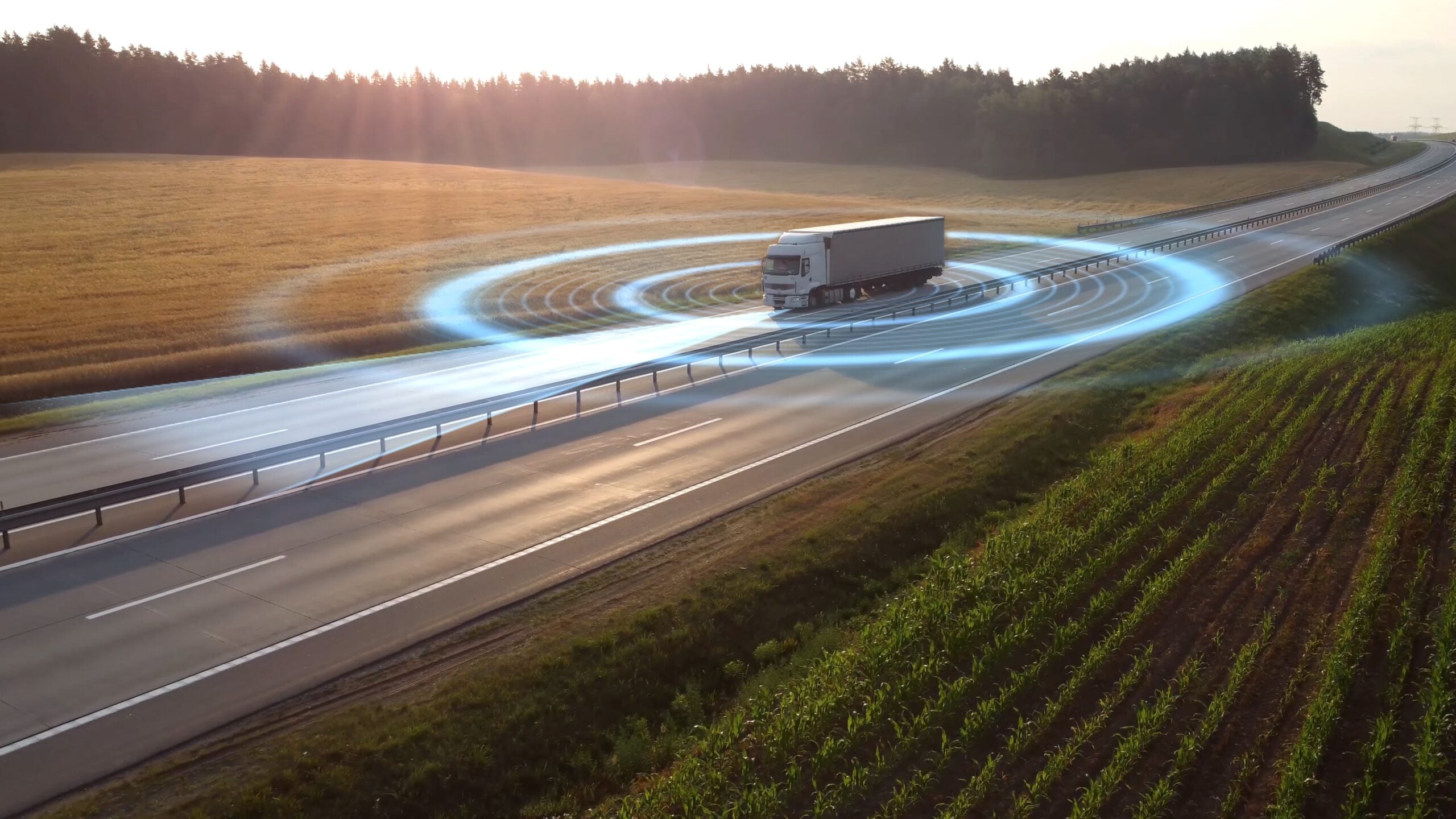
KEY TAKEAWAYS
- Transportation accounts for nearly 24% of global CO2 emissions, with road vehicles as the largest contributors, making fleet emissions one of the highest-leverage places to cut carbon.
- Smart vehicle telematics gives fleet operators the real-time data (fuel use, idle time, driver behaviour, vehicle health) needed to reduce emissions across ICE, hybrid, and EV vehicles alike.
- Electric vehicle fleet monitoring addresses the two biggest barriers to EV adoption: range anxiety and battery degradation, through battery health tracking and charging infrastructure management.
- Predictive maintenance, enabled by telematics, cuts unplanned breakdowns and the emissions and cost that come with them.
- Driver engagement tools, from real-time feedback to gamified coaching, turn sustainability from a fleet-level policy into a shared daily habit.
Vehicle telematics is the use of connected devices and real-time data to monitor and manage a fleet’s vehicles remotely, from fuel consumption and idle time to driver behaviour and vehicle health. In a green fleet transition, telematics is what turns a sustainability goal into something a fleet can actually measure and act on day to day.
Fleet operators depend on that data for decisions made constantly: which routes waste the least fuel, which vehicles are underperforming and dragging down fleet-wide efficiency, when a vehicle needs maintenance before it breaks down and gets pulled off the road, and how an EV’s battery and charging pattern are holding up over time. Without telematics, most of these decisions get made reactively, after the fuel has already been burned or the vehicle has already failed.
The pressure behind these decisions is real. Transportation accounts for nearly a quarter of global CO2 emissions, with road vehicles as the largest contributors, and governments worldwide are tightening emissions standards while offering incentives for cleaner technologies. Despite the economic case, fleet operators often hesitate to make the switch to greener fleets: lack of consistent charging access is cited as a top barrier by more than two-thirds of fleet leaders, alongside cost and operational disruption concerns.
This blog covers how smart vehicle telematics addresses each of those concerns: optimising fuel efficiency in ICE and hybrid fleets, enabling a smooth transition to EVs, powering predictive maintenance, driving data-driven emissions decisions, and engaging drivers in the process.
What is telematics, and can it drive the green fleet transition?
Telematics is the integration of telecommunications and informatics to monitor and manage vehicles remotely. In the context of green fleet management, a telematics device collects real-time vehicle data and turns it into insights that optimise fuel consumption, monitor emissions, and streamline fleet operations.
For fleets, this means:
- Live tracking of vehicles to optimize routes and reduce unnecessary mileage.
- Monitoring fuel and energy consumption to identify inefficiencies.
- Predictive maintenance alerts to prevent breakdowns and extend vehicle lifespan.
- Driver behavior analysis to promote safer and more efficient driving habits.
How smart vehicle telematics accelerates the green fleet transition
Optimizing fuel efficiency in ICE and hybrid fleets
For fleets still reliant on internal combustion engine (ICE) vehicles, fuel efficiency is a key area for reducing emissions. Smart vehicle telematics provides detailed insights into fuel consumption patterns, helping operators identify inefficiencies and take corrective action.
- Idle time reduction
A telematics device can alert drivers and managers when a vehicle is idling unnecessarily, reducing fuel waste. - Route optimization
Vehicle telematics analyses traffic patterns and road conditions to suggest the most fuel-efficient routes. - Driver coaching
Telematics monitors driving habits like harsh braking, rapid acceleration, and speeding, all of which increase fuel usage. Driver coaching programs help fleet operators promote eco-friendly driving.

Enabling a smooth transition to EVs with electric vehicle fleet monitoring
Electric vehicles are at the heart of the green fleet transition, and adoption on the commercial side is accelerating: electric truck sales reached 9% of all truck sales globally in 2025, nearly tripling year-on-year in the heavy freight segment. But managing an electric vehicle fleet still comes with unique challenges like range anxiety and battery degradation.
EV fleet monitoring simplifies this process by offering:
- Battery health monitoring
A telematics device tracks battery performance, state of charge, and charging patterns, ensuring optimal battery life. - Charging infrastructure management
Vehicle telematics helps fleets locate charging stations, plan routes around charging stops, and schedule charging during off-peak hours. - Energy consumption insights
Analysing energy usage data helps maximise EV efficiency and lower operational costs.
With AI-powered EV monitoring, fleet managers can seamlessly transition to electric vehicle fleets while ensuring maximum efficiency.
Using smart telematics for predictive maintenance
Unplanned vehicle breakdowns are costly and increase emissions. A telematics device enables predictive maintenance by:
- Monitoring vehicle health in real time and detecting potential issues before they escalate.
- Scheduling maintenance based on actual vehicle usage, reducing waste and extending vehicle lifespan.
- Minimising downtime and ensuring vehicles operate at peak efficiency.
For EV fleets, electric vehicle fleet monitoring systems track battery health, motor performance, and charging efficiency, ensuring that EVs run smoothly for longer.
Reducing emissions with data-driven decisions
One of the most powerful features of smart vehicle telematics is its ability to provide real-time, actionable insights that help fleet operators make data-driven decisions to cut emissions.
- Fleet right-sizing
A telematics device identifies underutilised vehicles, allowing operators to downsize their fleet and cut unnecessary emissions. - Emission tracking
Vehicle telematics measures and reports real-time emissions, ensuring compliance with environmental regulations. - Sustainability reporting
Electric vehicle fleet monitoring provides insights into fleet carbon footprints, helping businesses showcase their sustainability efforts.
Engaging drivers in the green fleet transition
Drivers play a crucial role in green fleet management. Smart vehicle telematics fosters a culture of sustainability by:
- Providing real-time feedback on driver habits to reduce fuel and energy waste.
- Gamifying eco-friendly driving with rewards and incentives.
- Offering training resources for sustainable driving practices.
By making sustainability a shared responsibility, vehicle telematics ensures that every driver contributes to a greener fleet.
The future of green fleet management with smart vehicle telematics
As technology advances, so do the capabilities of vehicle telematics. Here’s what’s next:
- Integration with renewable energy
Electric vehicle fleet monitoring will soon integrate with solar-powered charging stations. - Autonomous vehicles
Self-driving fleets, guided by AI-powered telematics devices, will further reduce emissions. - Blockchain for sustainability
Immutable sustainability reports using blockchain will enhance fleet transparency.
With AI-powered vehicle telematics, fleets can transition seamlessly into the future of green fleet management.

Charting a course for the green fleet transition
The green fleet transition is no longer a choice, it’s a necessity. With smart vehicle telematics, fleet operators can navigate this shift with confidence, reducing emissions, optimising fuel and energy consumption, and cutting operational costs, all while contributing to a healthier planet. By leveraging advanced AI-powered telematics devices, fleet managers gain real-time insights into electric vehicle fleet monitoring, predictive maintenance, and driver behaviour analysis, technologies that are making sustainability not just achievable but also highly profitable.
At Intangles, we understand the challenges of transitioning to a green fleet and build smart vehicle telematics solutions that help fleets reduce emissions, cut costs, and move to electric vehicle fleets with confidence: optimising fuel efficiency, monitoring EV performance, running AI-driven predictive analytics, and keeping fleets compliant with green fleet regulations. Whether you’re just starting your green fleet journey or optimising an existing one, the tools to get there are already built.
See how Intangles’ smart vehicle telematics can help you accelerate your green fleet transition, cut emissions, and keep every vehicle, ICE or EV, running at peak efficiency. Talk to our team to see it in action.
KNOW MORE
Frequently Asked Questions
What is vehicle telematics, and how does it support a green fleet transition?
Vehicle telematics is the use of connected devices and real-time data to monitor and manage a fleet remotely, tracking fuel consumption, idle time, driver behaviour, and vehicle health. It gives fleet operators the visibility to reduce emissions across ICE, hybrid, and EV vehicles by turning sustainability goals into measurable, trackable data.
Can telematics improve fuel efficiency in non-electric fleets?
Yes. For fleets still running ICE or hybrid vehicles, telematics identifies fuel waste through idle time alerts, route optimisation, and driver coaching on habits like harsh braking and rapid acceleration, all of which directly cut fuel consumption and emissions without requiring a vehicle changeover.
How does electric vehicle fleet monitoring address range anxiety and battery?
Electric vehicle fleet monitoring tracks battery health, state of charge, and charging patterns in real time, while also helping fleets locate charging stations, plan routes around charging stops, and schedule charging during off-peak hours. This directly addresses the two biggest operational barriers to EV adoption.
What role does predictive maintenance play in reducing fleet emissions?
Predictive maintenance uses real-time vehicle health data to catch potential issues before they cause a breakdown. This reduces unplanned downtime, extends vehicle lifespan, and cuts the extra emissions that come from vehicles running inefficiently or being replaced early.
How can fleet operators get drivers engaged in sustainability goals?
Telematics platforms provide real-time feedback on individual driving habits, and many pair this with gamified incentives and training resources. This turns sustainability from a top-down policy into a habit drivers actively participate in, since their own data and performance are visible to them.







We’re looking forward to meeting you