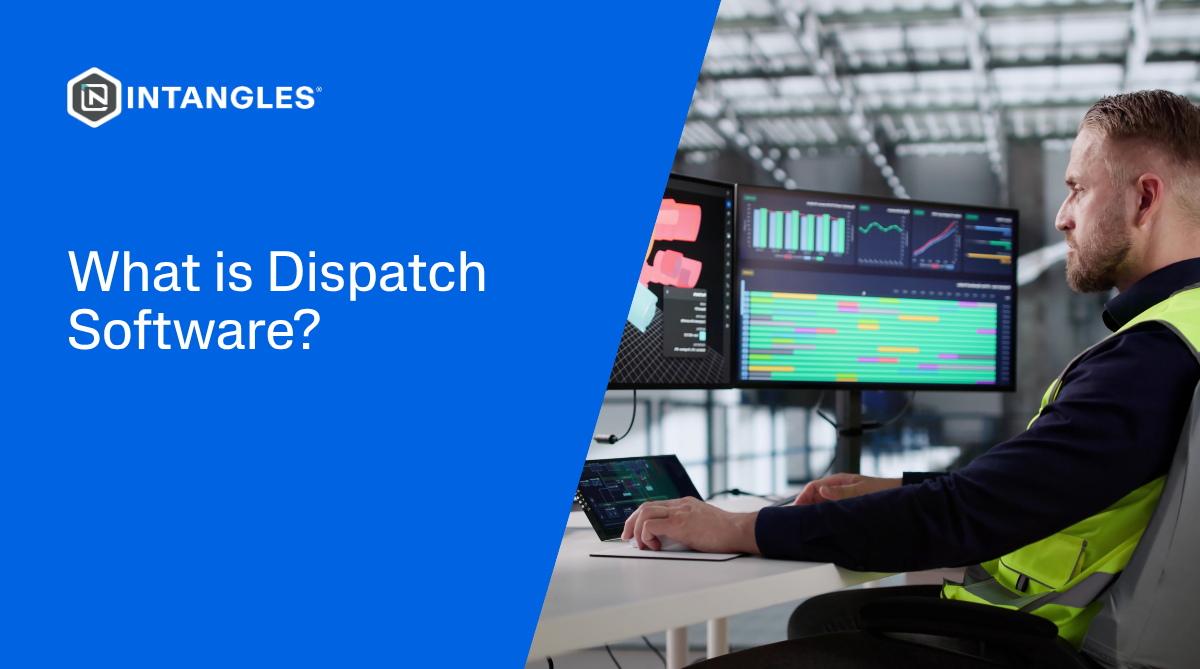
Dispatch software is a digital platform that lets carriers assign loads to drivers, track vehicles in real time, and manage the paperwork tied to every load, from rate confirmations to proof of delivery. It replaces the phone calls, whiteboards, and spreadsheets that many small and mid-size fleets still use to move freight.
KEY TAKEAWAYS
- Property-carrying CMV drivers on standard hours-of-service rules are capped at 11 hours of driving within a 14-hour on-duty window under 49 CFR Part 395; short-haul exemptions apply to some operations.
- Basic owner-operator dispatch tools often run under $50 a month per truck, while mid-size and enterprise platforms add lane profitability reporting, billing, and driver settlements.
- Carriers using automated dispatch platforms report 15 to 25% improvement in truck utilization compared to manual processes, with dispatchers managing roughly 40% more loads per day, according to ATRI’s operational benchmarking data.
- Most fleets that switch dispatch software within 18 months cite the same three reasons: poor integration with maintenance and fuel data, an unreliable driver-side app, or a platform that can’t scale past its original fleet size.
- Dispatch software alone can’t predict a mechanical failure; pairing it with fault-code and engine data lets dispatchers keep a truck showing early warning signs off a long haul before it breaks down mid-route.
In this guide, we cover what dispatch software does, how it works day to day, what separates a basic tool from a full dispatch management system, and what fleets should weigh before choosing one in 2026.
What is dispatch software?
Dispatch software is the system a carrier uses to plan and execute freight movement. A dispatcher opens the platform, sees which trucks are free and where they are, matches them against open loads, and sends the assignment to the driver’s phone or in-cab device. The software then tracks that load from pickup to delivery.
The terms dispatch software, dispatch management software, and dispatching software are used interchangeably across the industry. Some vendors reserve dispatch management software for platforms that also handle billing, driver settlements, and reporting. Dispatching software sometimes refers to lighter, load-assignment-only tools. In practice, most carriers use whichever term the vendor’s marketing uses. The underlying function stays the same.
Quick reference: Dispatch software at a glance
| Term | What it means |
| Dispatch software | Platform for assigning loads, tracking vehicles, and managing load documents |
| Load matching | Pairing open loads to available trucks based on location, equipment, and driver hours |
| Hours of service (HOS) | Federal rule capping property-carrying drivers at 11 hours driving in a 14-hour window |
| ELD integration | Pulls driver clock data directly into dispatch so assignments stay within legal limits |
| Dispatch management software | A broader platform that includes billing, driver settlements, and lane reporting |
How dispatch software works
The daily workflow inside dispatch software follows a repeating pattern, and the platform is built around it.
Open loads enter the system first, either from a load board integration, a broker connection, or freight already on the books. The dispatcher then checks which trucks are available, where each one is sitting, and how much drive time each driver has left. Loads get matched to trucks based on location, equipment type, driver availability, and rate.
Once the assignment is confirmed, it goes to the driver through a mobile app that also handles check calls, delivery confirmation, and any exceptions along the route. Platforms with built-in operations automation catch conflicts before the dispatcher commits to anything. If a load would push a driver past their available hours, or send a truck somewhere it cannot reach on time, the system flags it before the truck starts rolling instead of after.
Core features to look for
| Feature | What it means |
| Load and driver matching | Pairs open loads with available trucks based on location, equipment, and driver hours |
| Real-time GPS tracking | Shows truck location so dispatchers and customers know where a load stands |
| Hours of service integration | Pulls driver clock data so assignments do not create HOS violations |
| Driver communication | Sends load details, route changes, and documents to the driver’s device |
| Document management | Captures rate confirmations, bills of lading, and proof of delivery in one record |
| Reporting | Tracks on-time performance, lane profitability, and dispatcher workload over time |
Not every platform includes all of these. Lightweight tools built for owner-operators often skip reporting and billing entirely. Full dispatch management systems bundle invoicing and driver settlements as standard.
Dispatch software by fleet size
A one-truck owner-operator isn’t shopping for the same tool as a 30-truck regional carrier, and a 300-truck enterprise fleet needs something different again, even when all three search the same keyword.
For an owner-operator or a very small fleet, simple wins: load tracking, a mobile app for the driver, and basic document storage. Cost matters more than depth at this size, and plenty of these tools run under $50 a month per truck.
Mid-size carriers, somewhere between 10 and 100 trucks, need dispatchers coordinating with each other, lane-level profitability numbers, and a system that talks to fuel cards and maintenance records. This is where simple tools and full systems pull furthest apart, and it’s also where fleets get stuck: paying for depth they don’t use, or stretching a tool past what it was built for. That mismatch shows up across fleet management challenges well beyond dispatch.
Enterprise fleets run dispatch as one piece of a larger transportation management system, wired into accounting, procurement, and customer-facing tracking. Rolling that out takes months, not days.
Why dispatch decisions are harder than they used to be
Getting freight from A to B used to mean finding the closest available truck with a qualified driver. That is still the starting point, but it is no longer the whole picture.
A dispatcher today has to weigh hours of service remaining, whether a truck is due for maintenance, fuel cost across route options, and whether a driver’s recent behavior record fits a demanding run. Any one of these can change the right answer on a given assignment.
The hours of service framework alone creates real exposure. Under 49 CFR Part 395, property-carrying CMV drivers on standard HOS rules are limited to 11 hours of driving within a 14-hour on-duty window. Short-haul operations may qualify for an exemption, but most over-the-road dispatch decisions work inside the standard limit. Once that window closes, the truck does not move again until a qualifying rest period is done. A dispatcher who assigns a load without checking remaining hours risks a violation that lands directly on the carrier’s CSA record, the same record that inspectors review during DOT inspection levels 1 through 6. Dispatch software that pulls ELD data automatically closes that gap. Manual math across a board of 20 or more trucks does not.
What separates a platform fleets keep from one they abandon
Most fleets that switch dispatch software within 18 months cite the same reasons.
Integration is the first. A dispatch tool that sits apart from maintenance records, fuel data, and driver scorecards forces the dispatcher to bounce between systems before making one assignment. Good platforms surface that information on the same screen where the assignment happens. Tracking the right optimization metrics matters here, too, since those figures are what predict dispatch performance over time. The gap between manual dispatch and software-driven operations is measurable: carriers using automated dispatch platforms report 15 to 25% improvement in truck utilization compared to manual processes, with dispatchers managing roughly 40% more loads per day once real-time visibility replaces phone-based check-ins, according to ATRI’s operational benchmarking data. Building a fleet safety program around those metrics is what separates a carrier that uses dispatch software from one that gets value out of it.
The driver-side experience is the second. If the mobile app is unreliable or confusing, drivers stop using it correctly. When that happens, the dispatcher loses visibility into what is actually happening on the road, which defeats much of the point.
Headroom is the third. A fleet that grows from 20 to 60 trucks should not need to rip out its dispatch system and start over. This happens often enough that it belongs on the evaluation checklist from day one.
Why vehicle data matters for dispatch
Location and hours of service answer where a truck is and how long it can still drive. They do not answer whether that truck is actually fit for the assignment.
A truck showing early fault codes for a DPF issue or a cooling system problem is a poor choice for a 600-mile haul, even if its driver has hours available and the GPS pin puts it in the right place. Sending that truck anyway is how a fleet ends up with a roadside breakdown mid-route, a stranded driver, a missed delivery window, and an unplanned repair bill on top of it.
This is where fleet telematics and dispatch software start to overlap. The same engine data that predicts a breakdown is what a dispatcher needs before committing a truck to a long run. Predictive maintenance catches these situations before they become expensive, not after. The driver side of this equation works the same way: a dispatcher who can pull up a driver’s behavior monitoring record before assigning a demanding lane is making a better call than one assigned by availability alone.
How Intangles supports smarter dispatch decisions
Intangles is a digital twin company operating across 18 countries, with more than 500,000 vehicles connected to its platform. The InGenious device plugs into a truck’s OBD port, no extra sensors required, and streams engine data alongside GPS location into the InRoute platform, where fleet managers and dispatchers see both in a single view.
The practical value for dispatch lies in what that data prevents. A truck with a developing powertrain fault shows up on the platform before it shows up on the shoulder of an interstate. A driver with a pattern of hard braking on unfamiliar routes is visible before getting assigned to a demanding lane they have not run before. A route that costs more in fuel than its rate justifies shows up in lane-level reporting instead of being buried inside monthly totals.
| Capability | What it does |
| Predictive vehicle health monitoring | Flags fault code progression before a breakdown, so trucks with early warning signs stay off long hauls |
| Location tracking | Shows real-time truck position alongside vehicle condition, not location alone |
| Driver behavior monitoring | Scores driver performance so dispatchers can match demanding routes to drivers with the track record to handle them |
| Fuel monitoring | Tracks idle time and fuel use by route, showing which lanes are actually profitable |
| Operations automation | Automates alerts and workflows so exceptions reach the right person without manual checking |
At Intangles, the fleets seeing the clearest dispatch impact are those that bring vehicle health data into the assignment decision, not just location data. GPS tells a dispatcher where a truck is right now. Fault code and engine data tell them whether that truck should be taking the assignment at all. That distinction is what moves a fleet from dispatching by availability to dispatching by actual readiness, and it’s the difference between a platform that tracks trucks and one that keeps them running.
Explore the platform or get in touch with our team to learn how Intangles helps dispatchers keep failing trucks off the road before a breakdown happens.
KNOW MORE
Frequently Asked Questions
What is dispatch software used for?
It assigns loads to available trucks and drivers, tracks vehicle location during a haul, checks hours of service compliance, and holds the paperwork tied to each load, rate confirmations, proof of delivery, and everything in between.
Do owner-operators need dispatch software?
Most get by with a simple load-tracking app instead of a full platform, since they’re matching one truck to loads rather than juggling a fleet. A proper dispatch platform starts to make sense once trucks and drivers get added.
How does dispatch software handle hours of service compliance?
Platforms tied into electronic logging devices check a driver’s remaining hours before confirming an assignment, flagging anything that would push past the 11-hour driving limit or the 14-hour on-duty window set out in 49 CFR Part 395.
Can dispatch software prevent breakdowns?
Not on its own, it can’t predict a mechanical failure. Paired with a vehicle health platform reading engine and fault code data, dispatchers can spot the trucks showing early warning signs and keep them off long or demanding routes before anything fails on the road.
What's the difference between dispatch software and a transportation management system?
Dispatch software focuses on assigning loads, tracking trucks, and managing load documents. A transportation management system (TMS) is broader, wiring dispatch together with accounting, procurement, and customer-facing tracking, and is typically what enterprise fleets run rather than small or mid-size carriers.
How much does dispatch software cost?
Basic load-tracking tools for owner-operators and very small fleets often run under $50 a month per truck. Mid-size and enterprise platforms cost more, since they add lane profitability reporting, billing, and driver settlements on top of core dispatch.




We’re looking forward to meeting you