KEY TAKEAWAYS
- Predictive maintenance uses AI and continuous vehicle data to shift fleets from reactive repairs to condition-based decisions, acting on actual vehicle health rather than fixed service intervals.
- ML models now achieve 85–95% accuracy predicting major component failures, with risk surfaced 20–45 days befo
- Unplanned breakdowns are not just a maintenance issue, they are a business liability that drives up costs and delays deliveries across the fleet.
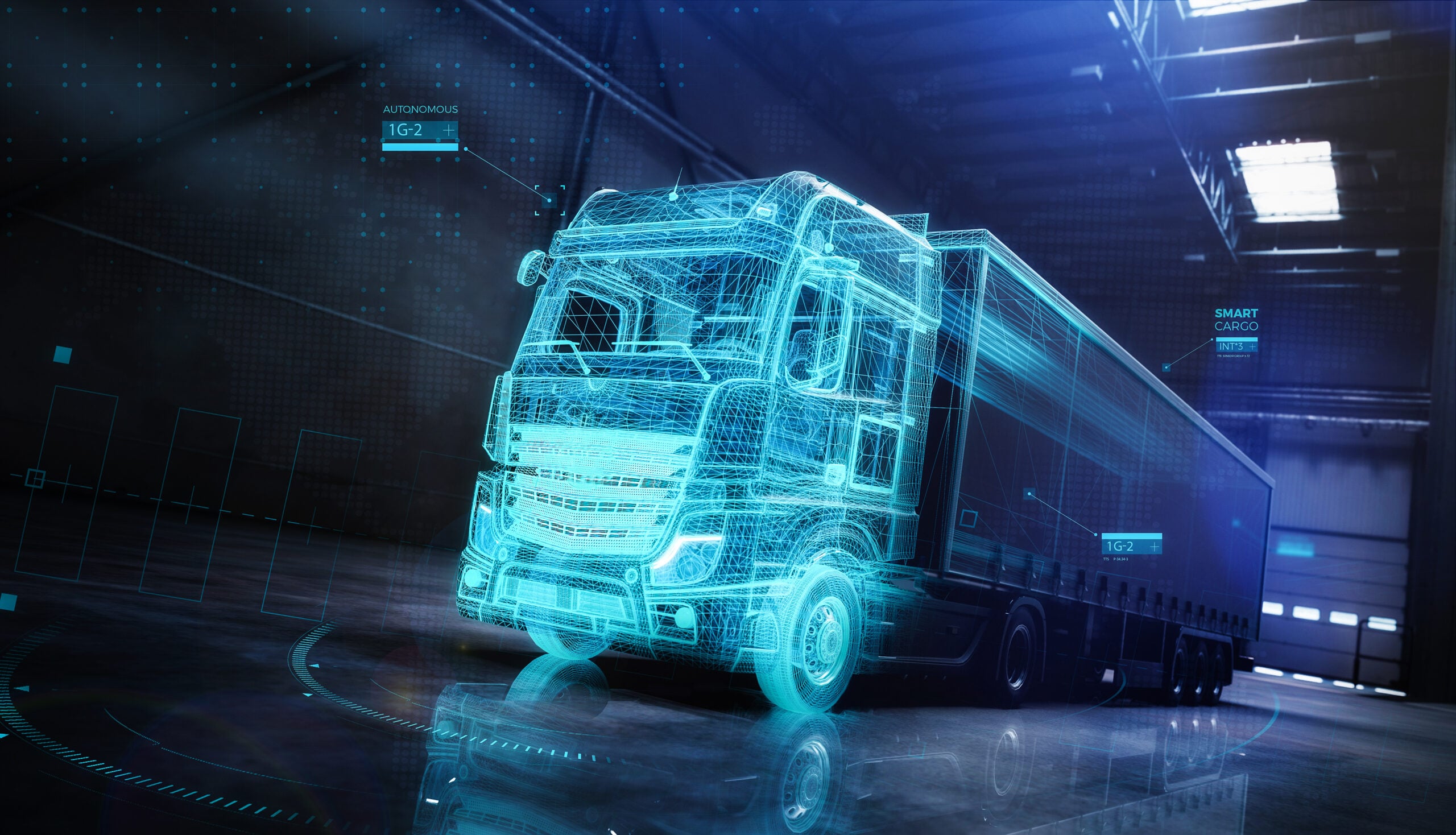
- Intangles’ Digital Twin Platform builds a continuously updating virtual model of every vehicle, using engine diagnostics, driver behavior, and sensor data to forecast faults before they happen.
- Fleets using predictive maintenance can catch faults 10 to 15 days in advance of a fault code, instead of reacting only after a Diagnostic Trouble Code (DTC) is triggered.
- Real-world deployments show a 60 to 65% drop in unplanned breakdowns, a 29% reduction in average maintenance cost per truck, and a 60% cut in downtime per incident.
- Non-fuel operating costs for trucking hit a record high of $1.779 per mile in 2024, according to ATRI’s 2025 Operational Costs of Trucking report, making predictive cost control more important than ever for fleet profitability.
- re traditional diagnostics raise alarms and 60–90 days before EV battery degradation causes range loss.
- A single roadside breakdown costs $450–$760 in direct repairs and over $1,900 in total impact. Fleets using predictive maintenance see 25–35% lower maintenance costs and 45–62% fewer unplanned breakdowns, with ROI typically achieved within 3–6 months.
- EV fleets require a distinct predictive approach: battery state of health, charging session analytics, and inverter health must be monitored continuously, not managed through service intervals.
- Effective platforms close the full loop: early fault detection before DTC activation, component-level health scoring, automated work order generation, mixed powertrain support, and FMCSA-compliant audit trails
- Predictive maintenance generates structured maintenance records automatically, supporting compliance with 49 CFR Part 396 and reducing DOT out-of-service risk.
- In 2026, predictive maintenance is no longer an emerging capability. Over 90% of new commercial vehicles ship with embedded telematics. The competitive gap is now between fleets that operationalize predictive insights and those still reacting to fault codes.
Fleet operators know that unplanned breakdowns are not just a maintenance issue, they are a business liability. From delayed deliveries to cost overruns, even minor disruptions can have a major impact on the bottom line. Nearly 70% of fleet operators say maintenance and repair costs have increased significantly over the past two years, according to a 2026 reader survey by Truck News, with some reporting waits of a week or more just to get a truck into a shop, meaning the margin for absorbing avoidable downtime keeps shrinking.
That is why more logistics and transportation companies are turning to Intangles’ Digital Twin Platform, a solution that turns reactive operations into predictive fleet management.
In this blog, we explore how logistics providers are actively using Intangles’ Digital Twin Technology to prevent failures before they happen, improve driver accountability, and boost asset performance in real-time.
Why fleets need digital twin-powered vehicle health monitoring
For any fleet aiming to improve operational efficiency, the focus is to implement a digital twin-powered predictive health monitoring solution that:
- Detects early-warning signs of component failure
- Boosts driver accountability and driving performance
- Enhances overall fleet uptime and asset health
The stakes are real. Unplanned downtime costs fleets an average of $448 to $760 per vehicle per day, according to FleetOwner, or several thousand dollars for a single unexpected breakdown once towing, repairs, and missed revenue are factored in.
How Intangles’ platform works: From onboard hardware to fault forecasting
The solution starts with equipping the fleet with Intangles’ proprietary onboard hardware, connected to the digital twin platform. From day one, clients gain real-time insights into their fleet’s mechanical, behavioral, and operational metrics.
This shift toward condition-based monitoring is not isolated to Intangles’ client base. The global predictive maintenance market is projected to grow from $9.71 billion in 2026 to $16.74 billion by 2031, a CAGR of 11.5%, as more transportation and industrial operators move away from fixed-schedule servicing toward sensor-driven, predictive approaches.
Digital twin creation
Each vehicle is mapped into a digital twin truck model that updates continuously using:
- Engine diagnostics (fuel injection, coolant levels, DEF, turbo boost, battery)
- Driver behavior (throttle pressure, braking intensity, gear shifts)
- Sensor data and environment-based parameters
This virtual twin evolves in real time, enabling fault forecasting and performance optimization well before any fault codes are triggered.
Predictive maintenance and fault forecasting
Using AI fleet management algorithms, Intangles:
- Forecasts faults up to three weeks before DTCs (Diagnostic Trouble Codes) are activated
- Identifies hidden failure patterns across similar models and makes
- Generates automated repair suggestions for technicians
No more last-minute failures, just smart, proactive decisions. This is the core of Intangles’ predictive analytics approach.
Driver behavior monitoring
Intangles also helps fleet managers track:
- Harsh braking
- Over-revving
- Excessive idling
- Speed variations
The system assigns driver scores and generates weekly reports to aid performance coaching, fuel efficiency, and safety optimization. Learn more about driving behavior monitoring and how it ties into overall fleet safety.
Driver-facing data has become a baseline expectation rather than a differentiator. GPS fleet tracking adoption reached 80% in 2025, an 11-point jump year over year, according to Verizon Connect’s 2026 Fleet Technology Trends Report, with AI-enabled video telematics now used by 46% of surveyed fleets. The opportunity for fleets is no longer just collecting this data, it is connecting it to vehicle health signals to act on it before risk turns into a breakdown or an incident.

Impact measurable business outcomes
Here is what Intangles delivers across multiple fleet deployments, based on proprietary platform data:
| Metric | Before Intangles | After Intangles |
| Unplanned breakdowns | 20-25/month | 7-9/month (down 60-65%) |
| Avg. maintenance cost/truck | $1,750/month | $1,240/month (down ~29%) |
| Downtime per incident | 2.3 days | 0.9 days (down 60%) |
| Critical fault detection time | After DTC trigger | 10-15 days in advance |
| Average driver score | 72/100 | 86/100 |
These figures are based on data collected across fleet deployments and are subject to change with different fleets.
These results speak for themselves: lower costs, fewer disruptions, and smarter decisions. They also track closely with industry-wide trends. ATRI’s 2025 data shows that the average distance between unscheduled breakdowns improved to 38,249 miles in 2024, up from 37,700 miles the prior year, reinforcing that fleets investing in preventative and predictive maintenance practices are seeing measurable gains industry-wide. Forbes reports average annual breakdown costs exceeding $5,000 per truck, with roadside repairs running up to four times more expensive than shop-based maintenance, underscoring why catching faults early carries such a direct financial payoff.
Key features utilized
- Digital Twin Technology for dynamic modeling of every asset
- Predictive Maintenance Engine to catch faults before escalation
- AI Fleet Management Dashboards for live alerts and diagnostics
- Driver Behavior Tracking for safety and efficiency improvements
What sets Intangles apart
Unlike traditional systems that react to issues, Intangles detects the trendlines that lead to failures. Its Digital Twin platform is not just a monitor, it is an anticipator.
The AI models are trained on a massive dataset of OEM-level sensor data, constantly refining their predictions for better outcomes, regardless of fleet size or geography.
Fleet health monitoring is no longer just about reacting to fault codes or logging breakdowns after they happen. The right platform should help you catch issues early, protect driver performance, and make faster maintenance decisions using data you can trust.
As fleets grow larger and more complex, the difference between average and high-performing operations often comes down to visibility. The ability to connect engine diagnostics, driver behavior, and sensor data within a single digital twin allows fleet managers to spot failure patterns earlier, cut unnecessary repair costs, and keep more vehicles on the road.
Whether you operate a small regional fleet or a cross-country logistics operation, unplanned failures can derail your operations and your profits. Look for solutions that do not just flag problems but help you act on them before they escalate, with predictive fault forecasting, driver scoring, and automated repair guidance built in.
Discover how Intangles’ Digital Twin Platform helps fleet operators transform engine, driver, and sensor data into proactive predictive actions that improve uptime, reduce costs, and streamline fleet performance across trucking, construction, mining, and other heavy-asset industries.
KNOW MORE
Frequently Asked Questions
What is digital twin technology in fleet health monitoring?
A digital twin is a continuously updating virtual model of a vehicle, built from engine diagnostics, driver behavior, and sensor data. It allows fleet managers to forecast faults and optimize performance before issues show up as a physical breakdown.
How early can Intangles detect a potential fault?
Intangles’ predictive maintenance engine can forecast faults up to three weeks before a Diagnostic Trouble Code (DTC) is triggered, giving technicians 10 to 15 days of advance warning in most cases.
Does predictive maintenance actually reduce costs?
Yes. Fleet deployments using Intangles’ platform have seen unplanned breakdowns drop by 60 to 65% and average maintenance cost per truck fall by around 29%, supported by broader industry data showing rising non-fuel operating costs across trucking.
How does driver behavior monitoring tie into fleet health?
Driver behavior such as harsh braking, over-revving, and excessive idling directly affects component wear and fuel efficiency. Intangles tracks these patterns alongside vehicle diagnostics and generates weekly driver scores to support coaching.
Is this approach suitable for small fleets as well as large ones?
Yes. The digital twin technology scales across fleet size and geography, since the underlying AI models are trained on a large, diverse dataset rather than tuned to a single fleet type.






We’re looking forward to meeting you