
KEY TAKEAWAYS
Fleet telematics is a system that connects vehicle, driver, and engine data to improve real-time visibility, safety, fuel efficiency, and predictive maintenance across fleets. It works by converting raw vehicle signals into actionable operational insights using GPS, diagnostics, and AI-based analytics. A structured telematics system connects this data to improve visibility, safety, and efficiency across operations. In this blog, we break down what telematics is, how telematics works, and how fleets use it to make better decisions.
Fleet operations generate continuous streams of data, but most of it goes unused. Vehicles move, drivers make decisions, and engines produce signals every second, yet without a connected system, these signals only surface when something goes wrong. A breakdown mid-route, fuel loss that goes unnoticed, or delays that compound across deliveries are often symptoms of the same gap: lack of real-time intelligence.
This is where fleet telematics changes the equation. A structured telematics system does not just track vehicles; it connects operational data to show what is happening in real time and what is likely to happen next.
Understanding ‘what telematics is’ today is directly tied to cost control, uptime, and operational discipline. In this guide, we break down how telematics works, what it captures, and how fleets use it to make faster, more informed decisions.
What is vehicle telematics? Definition, meaning, and how it works
Vehicle telematics is a system that uses onboard devices and communication networks to collect real-time data on vehicle location, performance, and driver behavior. It combines GPS tracking, engine diagnostics, and driver analytics into a single operational system.
A practical telematics definition is an information system that collects and analyzes vehicle data to generate actionable insights. In simple terms, telematics is not just about knowing where a vehicle is, but understanding how it is being driven and how it is performing in real conditions.
Unlike basic tracking systems, vehicle telematics integrates GPS, diagnostics, and behavioral data into a single framework, allowing fleets to move from observation to control.
Nearly 55% of large fleet operators already use telematics systems to improve logistics efficiency, reduce operational costs, and monitor vehicle performance in real time. Adoption is accelerating as fleets shift from basic tracking to integrated intelligence platforms combining routing, maintenance, and driver analytics. Adoption is accelerating as fleets shift from basic tracking to integrated intelligence platforms combining routing, maintenance, and driver analytics.
How does a telematics system work?
A telematics system operates as a continuous loop between the vehicle and the fleet operator, combining hardware, connectivity, and analytics.
At the vehicle level, a telematics device connects to onboard diagnostics and begins capturing live signals such as engine health, speed, fuel usage, and driver inputs. This data is processed by the telematics control unit, which prepares it for transmission.
The information is then sent through cellular or satellite networks to a cloud platform, where it is structured and analyzed. This is the core of how telematics works — converting raw vehicle activity into usable operational intelligence in near real time.
A telematics system works in a continuous loop: data is captured by a telematics device, transmitted through cellular or satellite networks, processed in the cloud, and converted into operational decisions. The role of the telematics control unit is to preprocess raw vehicle signals before transmission.
The real difference between basic and advanced systems lies not in data collection, but in how quickly that data becomes action. Solutions from Intangles extend this layer by applying AI telematics models that detect patterns, surface early risk signals, and enable predictive decision-making rather than reactive response.
What data does a telematics system collect in fleet operations
A modern fleet telematics system collects layered data that reflects how the fleet operates under real conditions. This includes GPS-based location and trip data, fuel usage patterns, idling behavior, route history, and engine diagnostics such as fault codes and performance indicators. Driver inputs like braking intensity and acceleration patterns further enrich this dataset.
The challenge is not collecting this data but interpreting it effectively. Without structure, fleet telematics data becomes noise rather than insight. Advanced systems convert it into clear operational signals that highlight inefficiencies, risk patterns, and early signs of mechanical issues.
Telematics vs GPS tracking: what’s the difference in fleet management
The difference between GPS tracking and telematics is often misunderstood, but they serve fundamentally different operational purposes.
GPS tracking answers a single question: where is the vehicle right now. It provides location visibility, which is useful but limited in scope.
In contrast, telematics includes GPS as one layer but expands into diagnostics, driver behavior, fuel usage, and performance analytics. A fleet GPS telematics system not only tracks movement but also explains why certain patterns occur and what operational impact they create.
GPS tracking shows location, while telematics explains vehicle behavior, performance, and operational efficiency.
Key benefits of telematics in fleet management
The real value of fleet telematics lies in turning fragmented operational data into structured decision-making.
Fleet safety improves significantly when risky behavior patterns such as speeding, harsh braking, and aggressive acceleration are continuously monitored. Over time, this enables structured driver behavior monitoring and targeted coaching based on real data rather than assumptions.
Fuel efficiency also improves when fleets gain visibility into idle time, inefficient routing, and driving patterns that increase consumption. Even small improvements in fleet fuel efficiency, when scaled across vehicles, lead to measurable cost savings.
On the compliance side, telematics reduces dependency on manual reporting by automatically capturing driver work hours and vehicle usage logs through ELD telematics systems, improving accuracy and audit readiness.
Route optimization becomes more effective when fleets can respond to real-time conditions such as traffic congestion or delays. This improves delivery reliability and reduces operational inefficiencies.
How AI and predictive maintenance are transforming fleet management
AI telematics is the use of artificial intelligence on fleet data to predict vehicle failures, optimize maintenance, and improve operational decision-making. Traditional telematics systems focus on monitoring past and current events, while AI telematics focuses on predicting future failures and operational risks.
The AI fleet management sector alone is now a $6.5 billion global market, proving that intelligence is becoming the standard, not the exception. With AI telematics, systems analyze historical and real-time data to identify patterns that indicate emerging issues. Predictive maintenance telematics identifies early fault patterns before breakdowns occur, reducing unplanned downtime.
In AI fleet management, this leads to fewer unexpected failures, better maintenance planning, and improved asset longevity.
Intangles builds on this by applying AI-driven engine diagnostics on top of telematics data. By analyzing fault codes, operating conditions, and usage patterns, it identifies early failure signals and helps fleets act before issues escalate into downtime.
Industries that use fleet telematics
The use of fleet telematics spans multiple industries where vehicle uptime directly impacts cost and performance.
In logistics, it supports delivery timelines, fuel efficiency, and route control. In construction and mining, it helps monitor heavy equipment usage and reduce downtime. Public transport systems rely on telematics for schedule adherence and safety, while oil and gas fleets use it to manage high-risk operations in remote environments.
Across all these industries, the core requirement remains consistent: real-time visibility, early risk detection, and faster operational decisions.
How to choose the right fleet telematics system
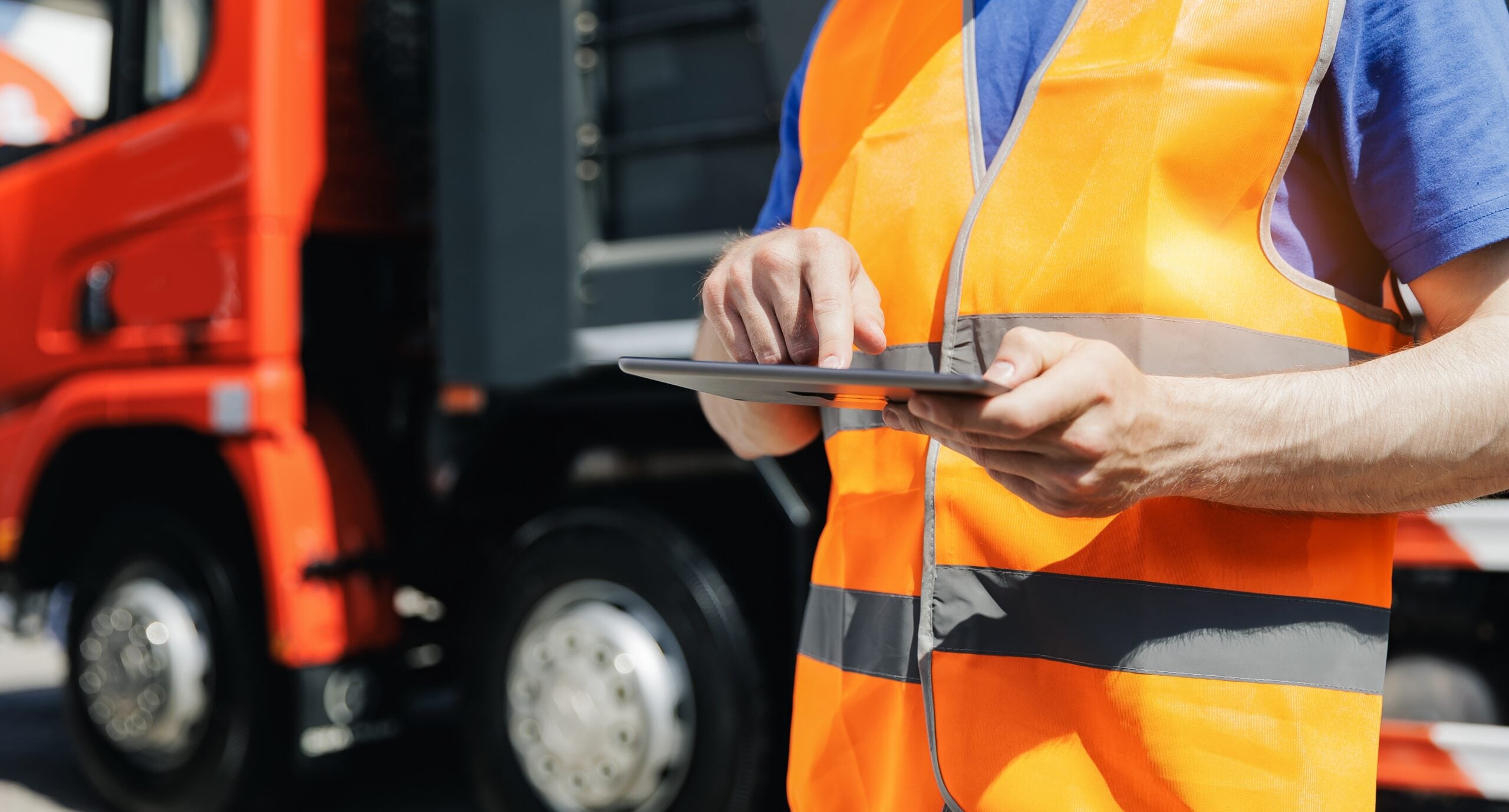
The cost of a telematics system is best evaluated based on operational losses it prevents rather than subscription pricing alone. Choosing the right telematics system is not about feature count, but about operational impact.
The key is understanding whether the system goes beyond tracking into diagnostics and predictive intelligence. Data quality matters, but so does how actionable that data is in real operational conditions. Integration with existing workflows is equally important, as fragmented systems often reduce efficiency instead of improving it.
Scalability also plays a critical role. A system that works for a small fleet should continue to perform at scale without adding complexity. A strong fleet telematics comparison focuses less on dashboards and more on whether the system improves safety, cost control, and uptime consistently.
How much does a telematics system cost for fleet operations
The telematics system cost varies depending on fleet size, hardware requirements, and the level of analytics involved.
Most fleet telematics services include hardware (telematics devices), subscription fees, and optional advanced analytics or AI modules. While basic systems focus on tracking, advanced platforms provide diagnostics and predictive capabilities.
However, the real evaluation is not cost alone but value replacement. Reduced downtime, lower fuel consumption, and fewer disruptions often make telematics self-sustaining over time.
The future of fleet telematics
The future of telematics is shifting from data visibility to decision intelligence.
Fleet operators already generate enough data; the challenge is converting it into decisions. They need systems that interpret data and act on it. Connected vehicle ecosystems, EV adoption, and 5G connectivity are accelerating this shift by enabling real-time responsiveness.
At the same time, AI fleet management is becoming central to how fleets operate, moving telematics from a tracking layer to a decision-making system. As this shift continues, telematics is no longer just about monitoring activity. It is becoming the foundation for how fleets manage risk, optimize performance, and maintain operational consistency.
Modern fleet operations demand more than visibility. They demand systems that can translate data into timely, actionable decisions. The key question is not whether you have telematics, but whether your telematics system helps you act before problems escalate.
Intangles extends telematics by combining real-time vehicle data with AI-driven diagnostics and predictive intelligence. By identifying early failure signals and operational inefficiencies, it helps fleets move from monitoring activity to preventing breakdowns and improving performance across the entire vehicle lifecycle.
Explore how Intangles transforms telematics data into actionable intelligence and enables fleets to operate with greater predictability, efficiency, and control. Speak with our team today.
KNOW MORE
Frequently Asked Questions
What is telematics in simple terms?
Telematics is the use of onboard vehicle systems and GPS technology to collect and transmit real-time data about vehicle location, performance, fuel usage, and driver behavior. It helps fleet managers monitor operations in real time instead of relying on delayed or manual reports, improving visibility and decision-making across the fleet.
How is telematics different from GPS tracking?
GPS tracking shows only the location of a vehicle at a given time. Telematics goes further by combining location data with vehicle diagnostics, fuel usage, and driver behavior insights. This makes telematics a complete fleet monitoring system, not just a tracking tool.
What data does a telematics device collect?
A telematics device collects real-time operational data such as vehicle location, speed, trip history, fuel consumption, and idling patterns. It also captures engine diagnostics, fault codes, and performance signals to monitor vehicle health and detect early mechanical issues.
How does telematics improve fleet safety?
Telematics improves fleet safety by identifying risky driving behavior in real time. It tracks events such as speeding, harsh braking, and aggressive acceleration, allowing fleet operators to intervene early through coaching and corrective action. Over time, this reduces accident risk and improves driving discipline.
How much does a fleet telematics system cost?
The cost of a fleet telematics system depends on hardware, software capabilities, and analytics features. Basic systems include tracking devices and subscription fees, while advanced systems include AI-based analytics and predictive insights. In most cases, savings from reduced fuel usage, fewer breakdowns, and improved efficiency help offset the cost over time.
What is predictive maintenance in fleet telematics?
Predictive maintenance in telematics uses vehicle data to identify early signs of mechanical failure before breakdowns occur. Instead of reacting to faults after they happen, it detects patterns in engine performance and usage that indicate future issues. AI-powered systems like Intangles use this approach to reduce downtime, improve maintenance planning, and extend vehicle life.






We’re looking forward to meeting you