KEY TAKEAWAYS
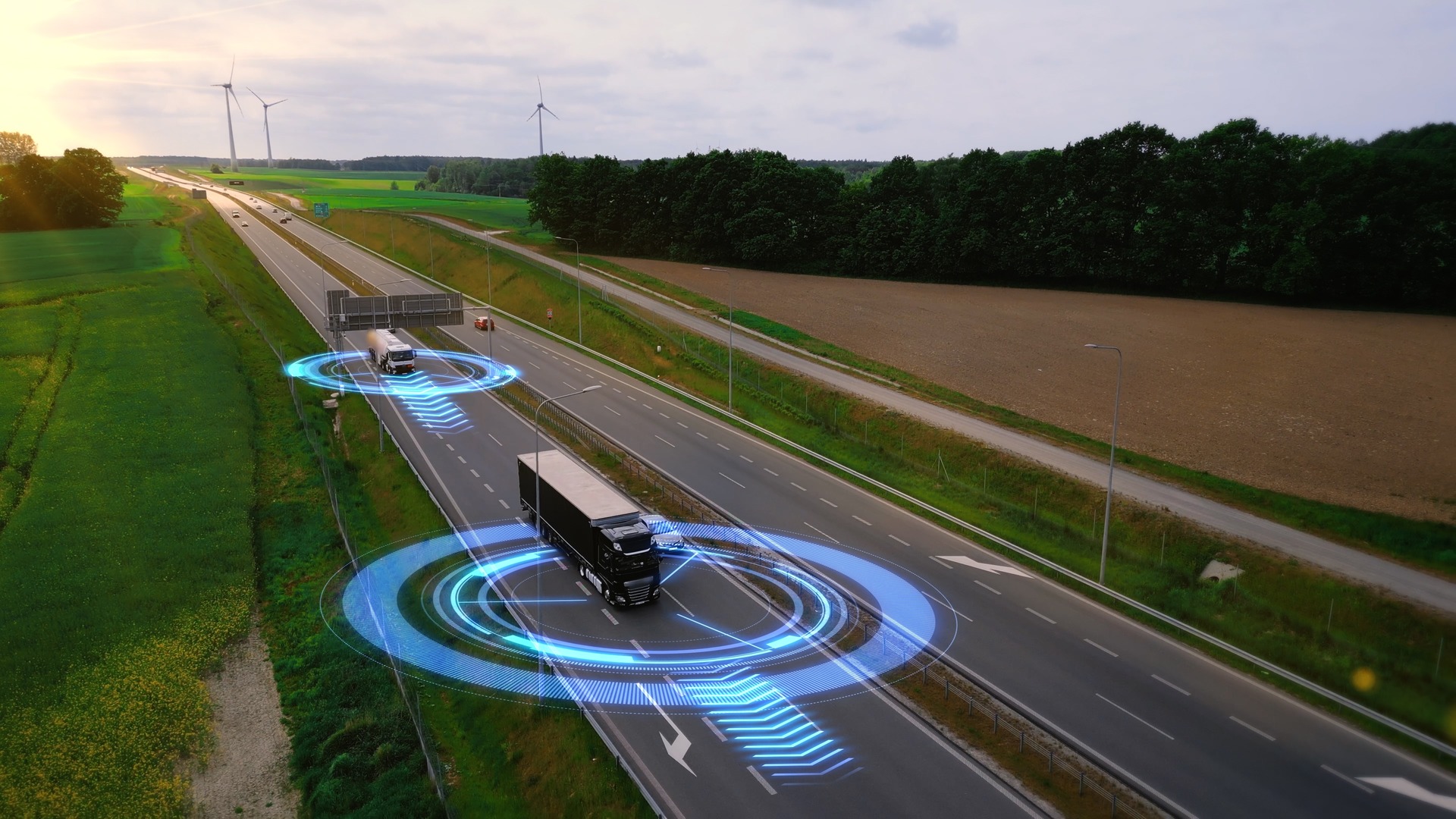
- Fleet management is the process of tracking, managing, and improving vehicle operations using telematics, GPS tracking, and fleet management software.
- Fuel typically makes up 25-40% of total fleet operating costs, making it one of the biggest levers for reducing operational spend.
- Fleet management solutions can reduce operational costs by up to 30% while improving maintenance, routing, and compliance efficiency.
- Predictive maintenance and AI-driven analytics are shifting fleet management from reactive tracking to proactive, foresight-based decision-making.
- Digital twin technology lets fleets predict wear and test operational scenarios without taking vehicles off the road.
- Platforms like Intangles combine telematics, predictive maintenance, driver behavior monitoring, and fuel analytics into a single AI-powered system.
What if you could predict a vehicle breakdown before it actually happens?
For most fleet operators, that still feels out of reach. Day to day, it is more about dealing with unexpected breakdowns, rising fuel costs, driver-related risks, and the constant pressure to deliver faster with fewer resources. At some point, managing a fleet stops being just about keeping vehicles running. It becomes about understanding where time, money, and efficiency are being lost.
What is fleet management?
In simple terms, fleet management is the process of tracking, managing, and improving how vehicles operate using tools like telematics, GPS tracking, and fleet management software. It answers practical questions organizations deal with every day. Where are the vehicles? How are they being driven? Why are costs going up?
That is where fleet management starts to matter.
Most businesses that rely on vehicles are already doing some version of this whether they realize it or not. The difference is in how structured that process is, and how much of it is actually driven by data.
As operations grow, manual tracking and reactive decisions usually stop working. This is when teams begin looking at fleet management systems to get better visibility and control. It often starts with tracking, but quickly moves toward reducing costs, improving reliability, and making more consistent decisions.
If you are looking to improve your fleet operations in 2026, this guide breaks down what fleet management is, how it works, and what to look for when evaluating systems.
How does fleet management work?
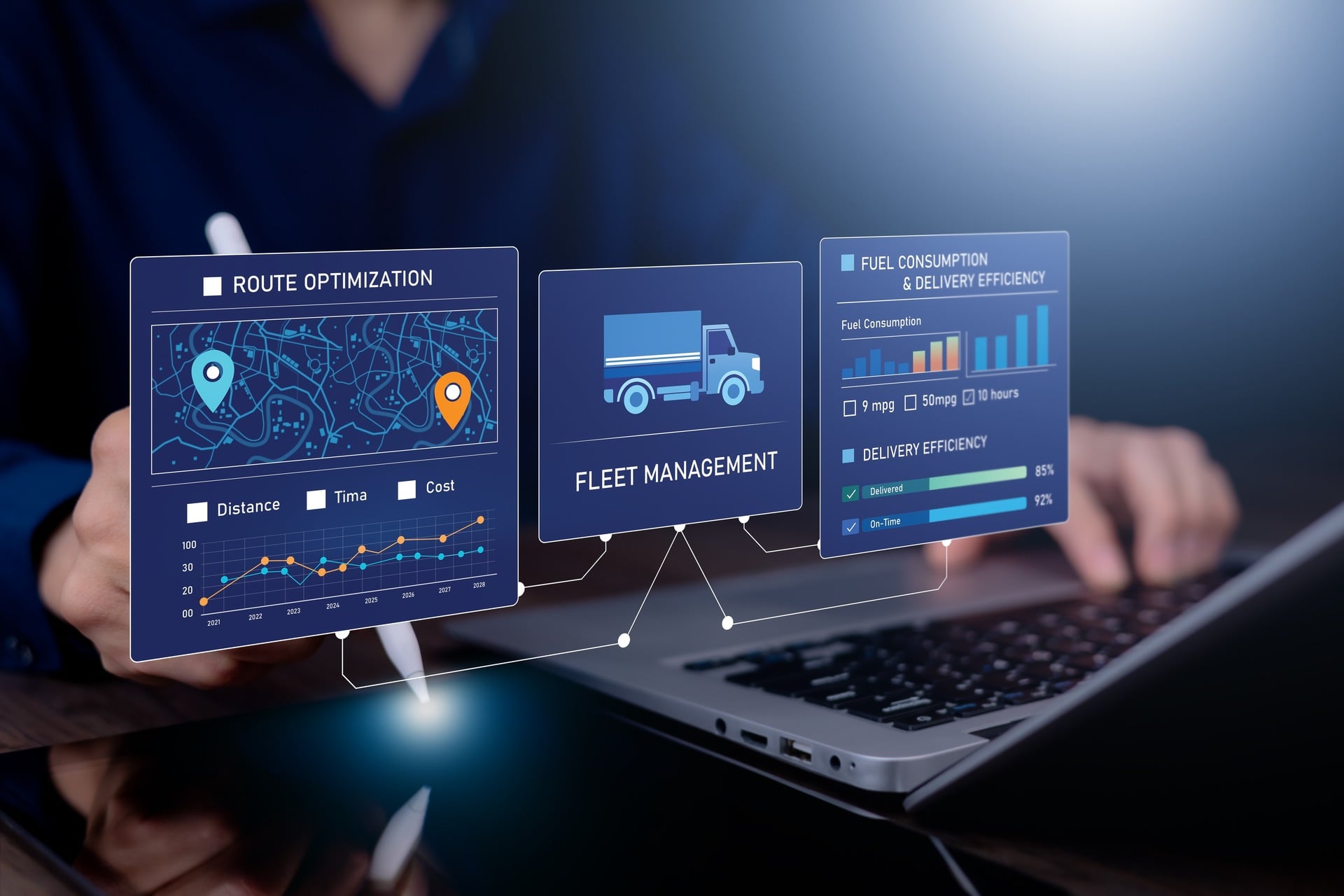
Fleet management works by collecting data from vehicles through telematics and GPS tracking, analyzing it using fleet management software, and using those insights to improve efficiency, reduce costs, and prevent issues.
In simple terms, it comes down to three things:
- Data collection: Vehicles today continuously generate information. This includes location, fuel usage, engine health, and driver behavior. That data is captured through fleet telematics devices and GPS tracking systems installed in each vehicle.
- Data analysis: Once collected, it flows into a fleet management system. Here, it is processed into insights, alerts, and reports. Instead of manually checking logs or reacting after something goes wrong, fleet managers can start spotting patterns as they develop.
For instance, a vehicle showing early signs of engine issues can be flagged before it breaks down. A driver who consistently idles longer than expected can be identified. Routes that use more fuel than necessary can be adjusted.
- Action and optimization: This is where fleet managers use insights to make adjustments such as refining routes, reducing fuel waste, or correcting driver behavior. Over time, this creates a loop where each trip improves the next one, and fleet operations gradually shift from reactive to more predictable.
At the same time, many fleets already have access to this kind of data but do not fully use it. Visibility is there, but action is limited. That gap is often where most inefficiencies exist.
The difference between basic tracking and effective fleet management usually comes down to this. Not just seeing what is happening, but understanding why it is happening and knowing what to do next.
What are the benefits of fleet management?
Fleet management helps reduce costs, improve efficiency, increase safety, and give businesses better control over how their fleet operates using real-time data.
Most fleets start with a single goal. It usually begins with one problem. Fuel costs going up, vehicles not being tracked properly, or just not having enough visibility into daily operations. Over time, the impact tends to go beyond that initial problem.
At a practical level, this is where the benefits show up:
- Lower operating costs: Fuel is one of the largest cost drivers in fleet operations, often making up to 25-40% of total costs. Because of that, even small changes, better routing or less idle time, start to make a difference. It’s usually gradual, but noticeable over time in fleet management ROI. Many fleets using telematics and fleet management systems see steady reductions in fuel consumption over time.
- Improved operational efficiency: Once you can actually see what’s happening across vehicles and routes, decisions get easier. There’s less back-and-forth, fewer surprises, and things just move with less friction. At a larger scale, when these small improvements add up — some large fleets have reported saving hundreds of millions in fuel just by optimizing fleet operations over time.
- Better reliability and uptime: Instead of relying only on fixed service schedules, maintenance starts happening when it’s actually needed. Problems get picked up a bit earlier, before they turn into breakdowns. In many cases, this also means vehicles stay on the road longer, with vehicle uptime improving around 10-20%.
- Stronger driver safety: Visibility into driver behavior makes it easier to identify patterns like harsh braking or over-speeding. They get addressed early, and over time, that usually leads to fewer incidents rather than sudden improvements overnight.
- Fuel control and theft detection: When fuel usage is tracked consistently, irregular usage tends to stand out. This is particularly useful in operations where fuel loss is difficult to trace manually.
- Improved asset utilization: Over time, fleets start seeing which vehicles are doing most of the work and which are underutilized. That alone can change how fleets are planned and deployed.
None of these are dramatic shifts on their own. But together, they start changing how fleet operations are managed on a daily basis.
You can also see this shift at a broader level. The fleet management market itself is expected to cross $30 billion by 2026, which reflects how quickly organizations are moving toward more data-driven operations.
This is also the point where many teams start asking a different question. Having visibility is useful, but being able to act on it consistently is what actually drives value.
What is a fleet management system?
A fleet management system is the platform that connects vehicles, data, and decisions in one place. It brings together fleet management software, fleet telematics, and GPS tracking systems to give you full operational visibility, helping reduce costs, improve uptime, and optimize performance.
In the past, systems mainly told you where vehicles were. Today, modern platforms go deeper. They analyze fuel usage, engine health, and driver behavior and turn insights into action. Predictive alerts can flag issues before they become breakdowns, or highlight inefficient routes to reduce fuel waste.
There are different types of systems, from basic tracking tools to compliance-focused solutions. In 2026, the shift we are seeing is toward platforms with advanced analytics and predictive capabilities, where real operational improvements happen.
On average, fleet management solutions can reduce operational costs by up to 30% while improving efficiency across maintenance, routing, and compliance — delivering measurable fleet management ROI.
When evaluating systems, fleet managers should ask:
- Does it only show data, or help improve outcomes?
- Can it identify patterns over time, or only display current status?
These are the kinds of questions that determine whether a system can support long-term growth and real operational improvement.

What is the difference between fleet management and fleet tracking?
It’s common to hear these terms used interchangeably, but they’re not the same.
In simple terms, fleet tracking tells you where your vehicles are. Fleet management covers your entire fleet operations and tells you how to improve them.
How AI and predictive analytics are changing fleet management?
Fleet management in 2026 is shifting from visibility to foresight. AI fleet management and predictive analytics allow fleets to respond proactively, reducing downtime, improving safety, and improving fleet ROI.
Modern platforms, like Intangles—an AI-powered fleet management system—combine predictive insights and operational visibility so teams can act before issues occur.
At a practical level, AI and predictive analytics drive improvements across four key areas:
At practical level, AI and predictive analytics drive improvements across four key areas:
Predictive maintenance
Predictive maintenance fleet management uses AI to analyze engine performance, usage patterns, and operational data to identify issues before they cause failures.
- Reduces unplanned downtime
- Optimizes maintenance schedules
- Extends vehicle life
Industry Impact: Even basic predictive maintenance can save hundreds of dollars per vehicle annually and improve uptime by 10-20%.
Digital twin technology
A digital twin is essentially a virtual version of a vehicle that mirrors how it performs in the real world. Fleets can use it to:
- Predict wear and tear
- Test operational scenarios safely
- Optimize vehicle performance without risk
This makes it easier to optimize performance and prevent problems before they appear on the road.
AI-powered driver behavior monitoring
AI fleet management systems go beyond flagging events—they detect patterns over time. This helps fleets:
- Identify harsh braking, over-speeding, or fatigue
- Provide actionable insights for driver coaching
- Reduce accidents and insurance costs
Smart fuel analytics and theft detection
AI also helps make fuel management smarter. By analyzing usage patterns across vehicles, drivers, and routes, fleets can:
- Detect unusual consumption
- Prevent potential fuel theft
- Improve overall fuel efficiency
Why does AI matter for fleet management ROI?
These capabilities directly impact fleet management ROI. Organizations using AI-driven systems report lower fuel costs, fewer breakdowns, and smoother day-to-day operations.
With Intangles, fleets get predictive maintenance, digital twin technology, advanced driver insights, and smart fuel analytics — all in one AI-powered system.

What is the best fleet management software?
Choosing the best fleet management software isn’t about picking the platform with the most features. It’s about solving the problems the fleet is trying to fix. Today’s fleets need more than dashboards—they need to spot issues before breakdowns, find the root cause, and understand how driver behavior affects the vehicle. That is what a strong fleet system should help with.
In practice, fleets using Intangles see a few clear shifts. Vehicles are checked before problems turn serious. Digital twin models help understand wear and tear without taking vehicles off the road. Driver patterns become easier to track, especially where risk or overuse is involved. Fuel usage also becomes more transparent, including cases where losses would usually go unnoticed.
All of this sits in one place, so teams are not jumping between systems to figure out what is going on.
At a high level, the systems worth considering share a few traits: real-time visibility, predictive capabilities, fuel monitoring, driver behavior insights, scalability, and easy integration with what you already run.
Related article: How to Choose Fleet Management Software: A Complete Buyer’s Guide
Platforms like Intangles are built around these day-to-day problems. Instead of working as separate modules, it connects telematics, GPS data, engine signals, and digital twin models to give a clearer view of what is actually happening across the fleet.
That matters in areas the fleet deals with regularly, like fuel efficiency, repeat maintenance issues, and driver impact on vehicle health. Over time, this shifts operations from reacting to breakdowns to catching issues earlier and handling them with more context.
To learn more about fleet management software, check out Intangles’ fleet management solutions and speak with our team today.
KNOW MORE
Frequently Asked Questions
What is fleet management in simple words?
Fleet management is the process of overseeing a group of vehicles to improve efficiency, safety, and cost-effectiveness. It includes tracking vehicles, scheduling maintenance, monitoring fuel, and managing drivers. Platforms like Intangles add AI and predictive insights to turn data into actionable decisions.
What does a fleet manager do?
A fleet manager keeps vehicles running safely and efficiently by tracking locations, monitoring fuel use, scheduling maintenance, and managing driver behavior. Tools like Intangles make this easier by providing real-time visibility and predictive alerts to prevent breakdowns.
Is fleet management software worth it for small fleets?
Yes. Even small fleets can benefit from real-time tracking, predictive maintenance, and driver insights. Intangles offers scalable solutions so smaller operations can reduce downtime, control fuel costs, and improve safety without heavy manual oversight.
How much can fleet management software save on fuel?
Savings vary by fleet, but AI-powered tools like Intangles help detect inefficiencies and prevent fuel theft, often reducing fuel costs by 10-20% while improving overall operational efficiency.
What is the difference between fleet management and fleet tracking?
Fleet tracking monitors vehicles in real time—location, speed, and activity. Fleet management is broader, covering maintenance, fuel efficiency, compliance, and driver safety. Platforms like Intangles combine tracking with predictive analytics to help fleets act before problems arise.
What is a vehicle fleet management system?
A vehicle fleet management system is software that collects and analyzes data from your vehicles to improve operations, safety, and cost-efficiency. Intangles integrates GPS tracking, telematics, and predictive analytics for smarter, predictive fleet management.
What is the best fleet management system for Indian trucking and logistics fleets?
The best system provides real-time visibility, predictive maintenance, fuel monitoring, and driver insights. Intangles is designed for Indian fleets, combining AI, digital twins, and operational intelligence to improve uptime, reduce costs, and scale with your business.






We’re looking forward to meeting you